
Where Do Replica Shoes Come From
Related searches: Jordanreps Jordan Replica Shoes Replica Jordans Replica Nike Sneakers Replica Adidas
Replica shoes come from dedicated factories in China, Vietnam, and Indonesia, where batches like LJR, PK, FK, and GX are produced with precision. These reps use full-grain tumbled leather for a buttery suede brush and real nubuck for that premium feel, paired with vulcanized rubber soles for accurate step-in comfort. The slim toe box profile and hourglass heel shape match retail specs, while stitching density and swoosh placement hit corner clearance standards. Before shipping, Jordanreps runs HD QC checks—purple UV anti-counterfeit scans, loose thread inspections, and glue stain removal—ensuring every pair meets retail-grade tolerances. No shortcuts, just hard-core reps built to fool the eye.

Brooks Glycerin Max White Replica Running Shoes – Premium Rep Shoes for Athletes
Original price was: $280.00.$89.77Current price is: $89.77.
Brooks Hyperion Elite 4 Pink Running Shoes – Premium Replica Sneakers
Original price was: $230.00.$83.96Current price is: $83.96.
Hermès White Gray Knit Sneakers Black Accent
Original price was: $360.00.$143.44Current price is: $143.44.
Nike Supreme Dunk Low White Red Logo
Original price was: $320.00.$149.90Current price is: $149.90.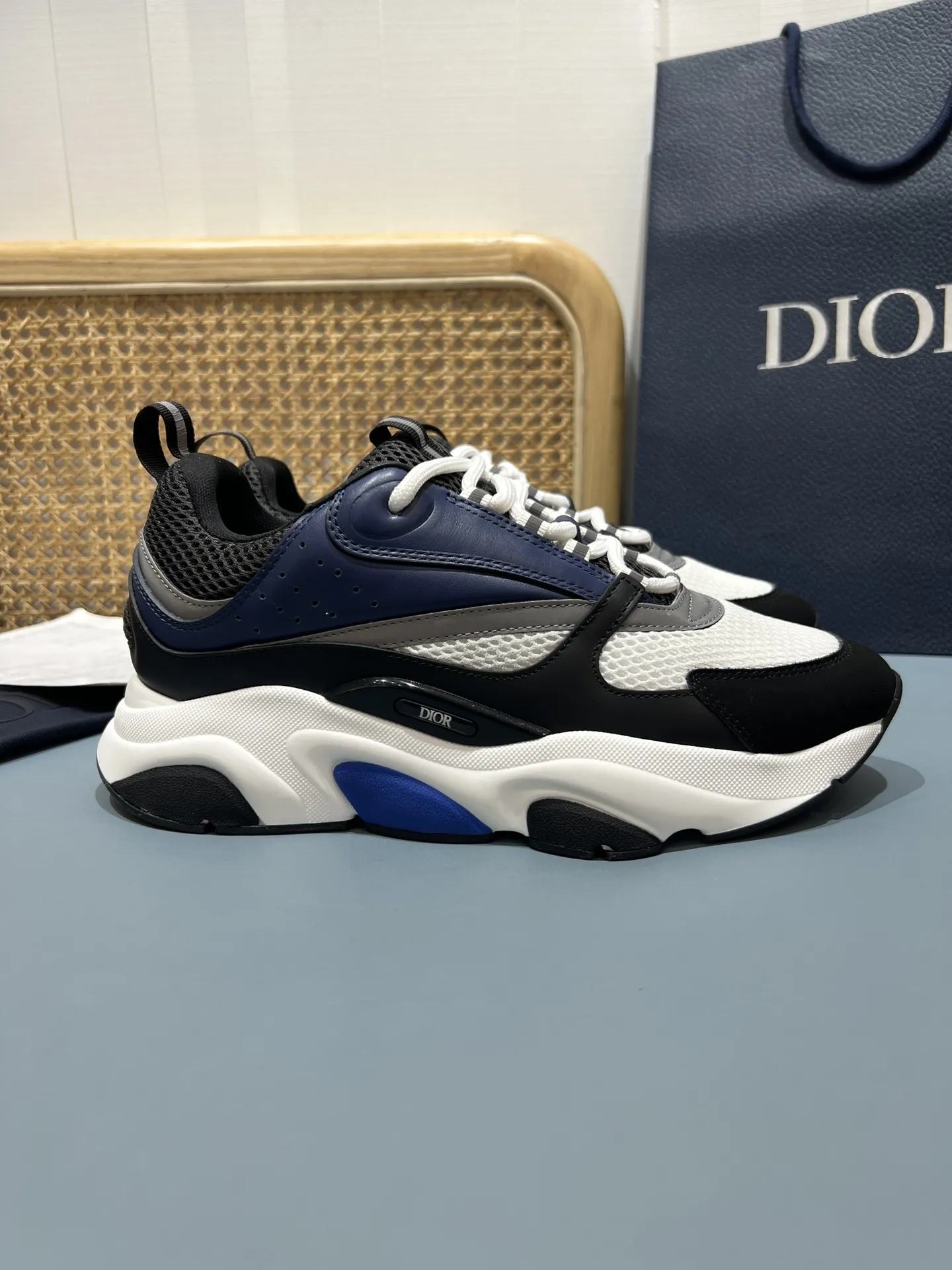
Dior Chunky Sneaker Navy Blue Black White
Original price was: $450.00.$154.00Current price is: $154.00.
Balenciaga White Chunky Sole Platform Sneakers
Original price was: $500.00.$162.45Current price is: $162.45.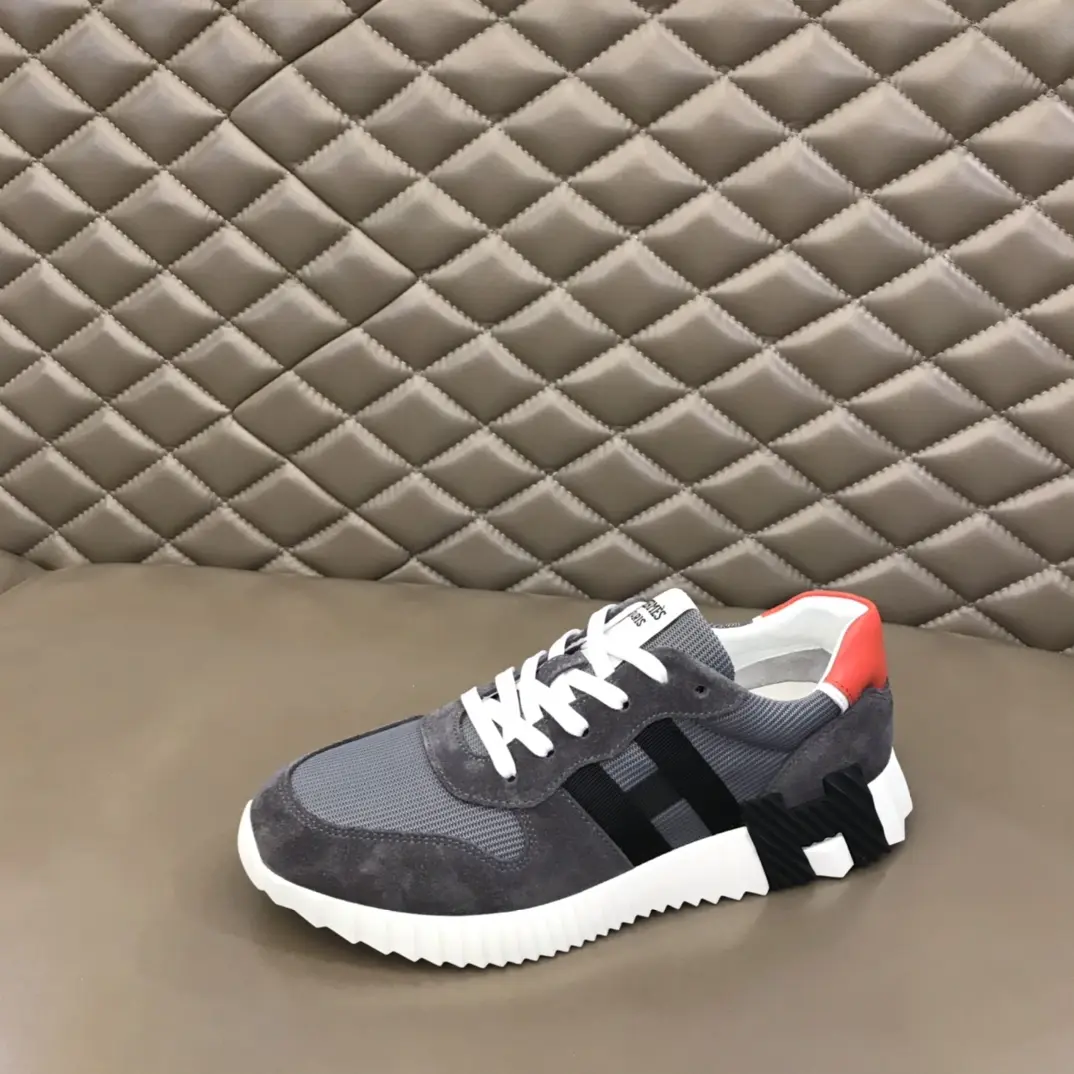
Hermes Gray Black Sneakers Red Panel Trim
Original price was: $269.66.$152.17Current price is: $152.17.
Adidas Adilette Clogs Pink Blokecore Style – Inspired Replica Shoes
Original price was: $400.00.$55.00Current price is: $55.00.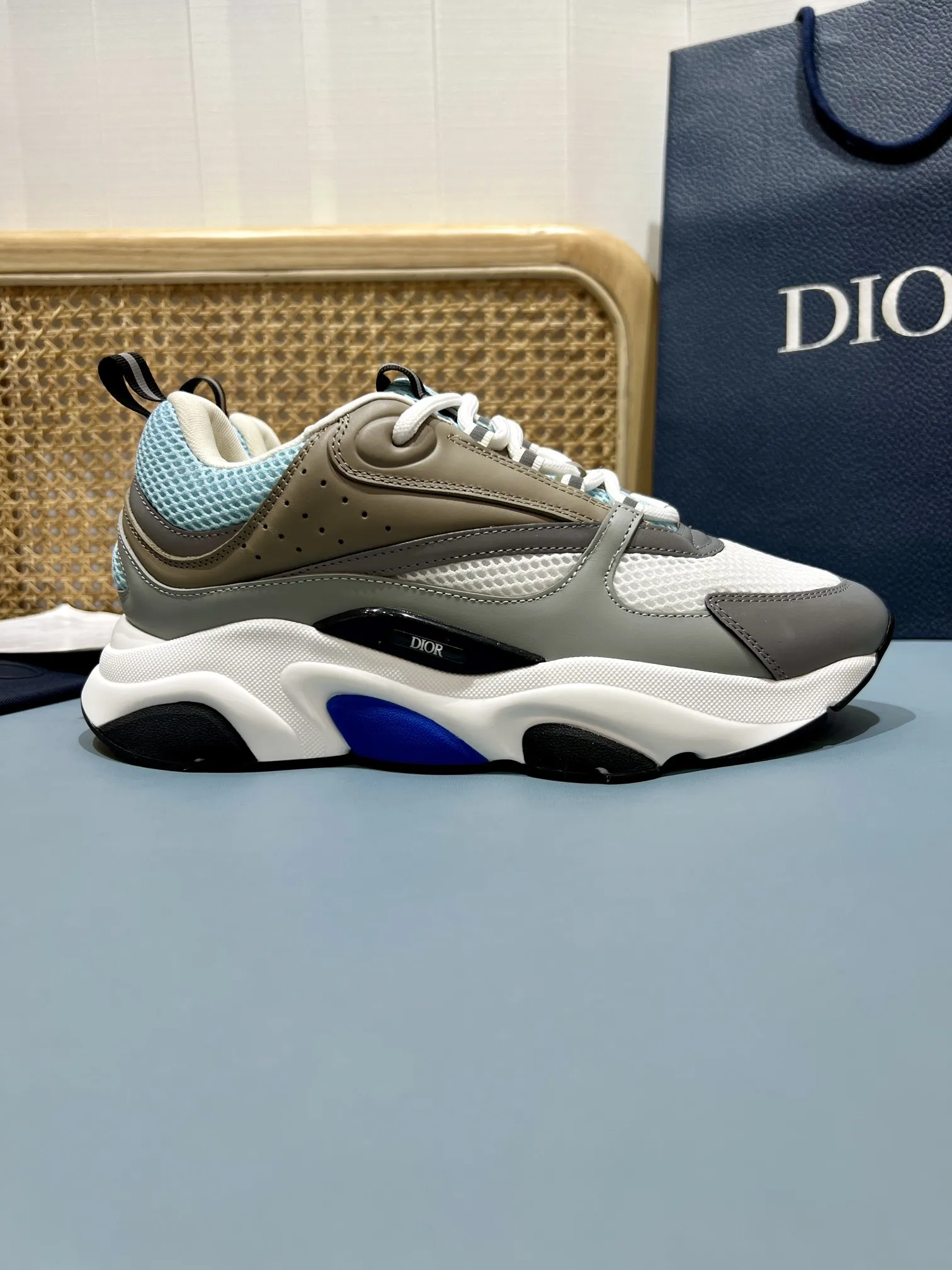
Dior Sneaker Grey Blue Mesh Chunky Sole
Original price was: $450.00.$154.00Current price is: $154.00.
Louis Vuitton Trainer Studded Black Replica Sneakers
Original price was: $688.00.$194.00Current price is: $194.00.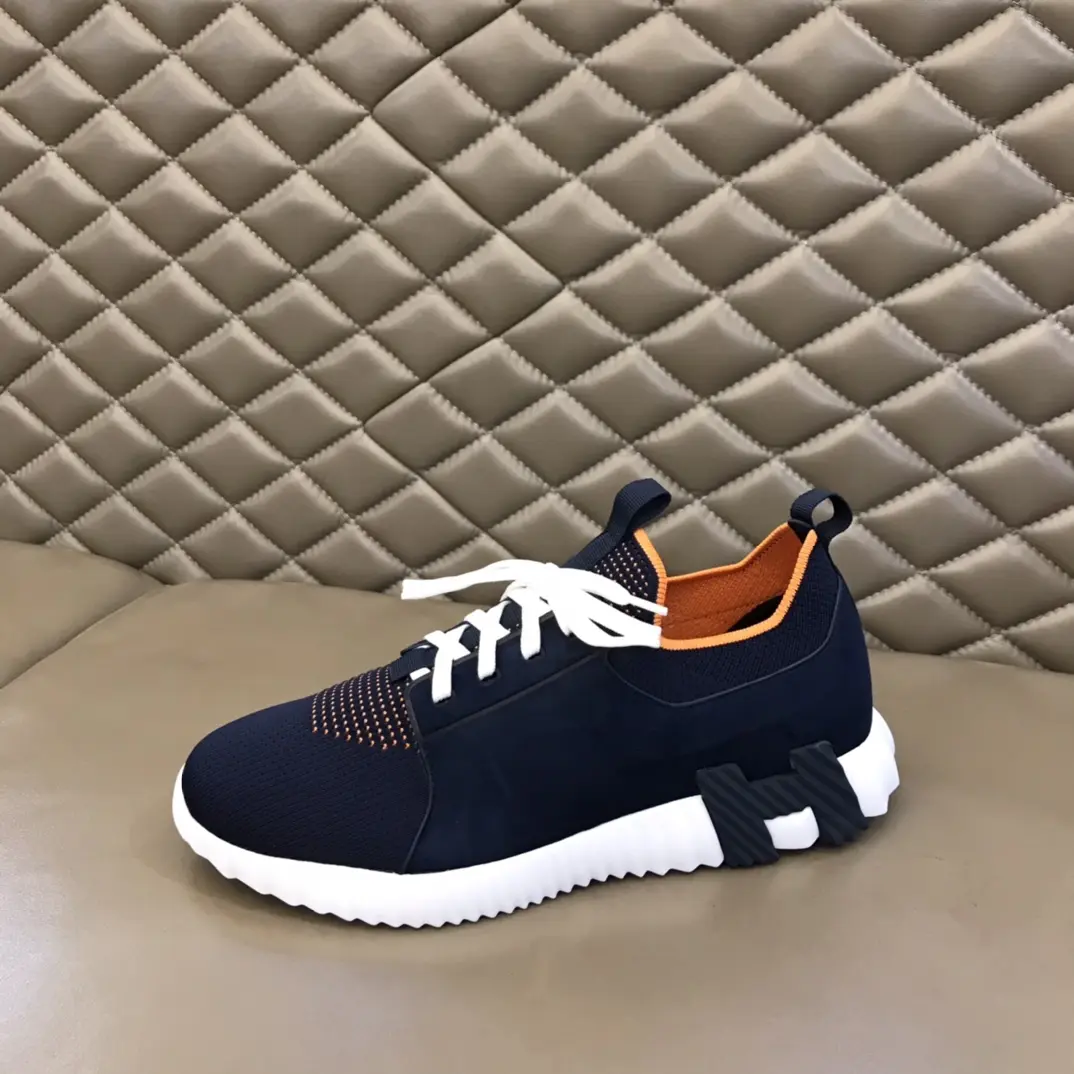
Hermes Black Perforated Knit Sneakers White Sole
Original price was: $360.00.$143.44Current price is: $143.44.
Louis Vuitton Trainer Studded Green Replica Sneakers
Original price was: $688.00.$194.00Current price is: $194.00.About where do replica shoes come from
**Where Do Replica Shoes Come From? A Deep Dive Into Batch Origins, Materials, and Craftsmanship**
The replica sneaker industry has evolved from underground factories to a global supply chain that rivals the precision of high-end fashion production. But where exactly do these shoes originate? The answer isn’t as simple as pointing to a single country or manufacturer. Instead, it’s a complex web of specialized workshops, material suppliers, and QC protocols that determine the final product’s quality. For sneakerheads in the Jordanreps, Replica Sneakers, and Sneaker Reps communities, understanding these origins is crucial to making informed purchases. This breakdown will dissect the key factors—from material sourcing to factory batch variations—that shape the modern replica sneaker landscape.
**Leather & Material Specifications: Tumbled Leather, Suede Texture & Upper Quality**
The foundation of any high-quality replica sneaker lies in its materials, and the best factories don’t cut corners here. Top-tier batches, such as those from LJR (Lost Jordan Replicas) or PK (Perfect Kicks), prioritize full-grain leather over bonded or corrected-grain options. Full-grain leather is prized for its durability and natural grain patterns, which develop realistic creasing over time—something that separates premium replicas from budget-tier fakes. When you bend the material, the creases should mimic the organic wear of authentic pairs, with subtle wrinkles forming near the toe box rather than sharp, unnatural folds.
Suede and nubuck present another layer of complexity. High-end replicas use properly tumbled suede, which is brushed to achieve a consistent nap direction. The texture should feel soft yet structured, with a slight fuzziness that doesn’t clump or pill after a few wears. Compare this to lower-tier batches, where the suede often feels overly stiff or loses its nap within weeks. Nubuck, a smoother alternative, is sometimes used in place of full-grain leather for certain colorways, but it lacks the same longevity. Factories like FK (Famous Kicks) and GX Batch handle nubuck with care, ensuring the finish resists scuffing better than cheaper alternatives.
Midsole technology is another critical differentiator. Authentic Air Jordan models often feature Nike’s Air cushioning, which is replicated using EVA foam or polyurethane (PU) in high-end batches. LJR, for example, uses multi-layered EVA with a slight translucency to mimic the bounce of real Air units. PK, on the other hand, leans into PU for a firmer, more durable feel—closer to the original’s midsole density. The difference is noticeable when walking: a well-made EVA midsole should compress slightly underfoot, while PU retains its shape longer but can feel stiff initially.
**Craftsmanship & Stitching Breakdown: Toe Box, Swoosh Placement & Sole Bonding**
The devil is in the details, and nowhere is that more evident than in the stitching and structural integrity of a replica sneaker. The toe box is a prime example. In authentic pairs, the toe cap is slightly rounded with a thin, flexible material that conforms to the foot’s natural shape. High-end replicas replicate this by using thinner leather or synthetic overlays, but the stitching density must match. Cheap batches often skimp on stitch count, resulting in loose threads or uneven seams that unravel after a few wears. On premium models, the stitches are tight, with a consistent 8-10 stitches per inch—close enough to the original to pass a side-by-side comparison.
Swoosh placement is another telltale sign of factory origin. LJR batches are known for their precise logo alignment, with the Nike swoosh sitting within 1-2mm of the original’s position. PK, while slightly more forgiving, still maintains tight tolerances, often using laser-guided templates to ensure consistency. Lower-tier factories, however, frequently misalign logos by 3-5mm, a flaw that becomes obvious under close inspection. The adhesive used for bonding the swoosh also matters. High-quality replicas use industrial-strength glue that doesn’t yellow or peel, whereas budget pairs often rely on weaker adhesives that flake off after exposure to moisture.
Sole bonding is where many replicas fail or excel. The outsole should be heat-pressed or vulcanized to the midsole, creating a seamless bond that resists separation. LJR and PK use advanced vulcanization techniques, where the rubber is molded directly onto the midsole, eliminating the risk of sole delamination. Cheaper batches rely on weaker adhesives, which can fail under stress—especially in humid conditions. The outsole’s rubber hardness also varies by factory. Top-tier batches use a softer rubber compound (around 60-65 Shore A) for better grip and flexibility, while lower-end pairs opt for harder rubber (70+ Shore A) that feels unnatural underfoot and wears down unevenly.
**Sizing, Fit & Cushioning Performance: On-Foot Comfort, Insole Measurements & Sizing Advice**
Sizing discrepancies are a common frustration in the replica community, but the best factories account for this by offering slightly roomier fits. Jordanreps, for instance, typically runs half a size larger than authentic pairs, with a wider toe box to accommodate different foot shapes. This is intentional—many buyers prefer a bit of extra space for orthotics or thicker socks. However, not all batches follow this rule. PK tends to run true to size, while FK and GX Batch often skew narrow, making them less ideal for wide feet.
On-foot comfort hinges on the insole and midsole construction. High-end replicas use multi-layered insoles with a soft foam top layer and a firmer base for support. The arch should feel slightly elevated, mimicking the original’s ergonomic design. Budget pairs often skimp on insole thickness, resulting in a flat, unsupportive feel. Cushioning performance also varies by material. EVA-based midsoles (like those in LJR batches) provide a bouncy, responsive ride, while PU-based midsoles (common in PK) offer firmer support with less give. Neither is objectively “better”—it depends on personal preference and intended use.
**Jordanreps QC Protocol & Customs Guarantee**
Jordanreps has built its reputation on transparency and rigorous quality control. Their 4-step QC process begins with HD precision measurements, where each pair is scanned for dimensional accuracy—including sole thickness, heel height, and logo placement. Any deviations beyond 1mm trigger a rejection. Next, the shoes undergo a UV light inspection to detect glue residue, loose threads, or misaligned stitching that might not be visible under normal lighting. This step is critical for catching defects before shipping.
The third phase involves sole bonding and stitching strength tests. A mechanical pull tester applies 20-30 lbs of force to the sole and seams to ensure they won’t separate under stress. Finally, the package is checked for box, lace, and tag accuracy, with a side-by-side comparison against authentic samples. Only batches that pass all four steps receive the Jordanreps seal of approval.
For international buyers, Jordanreps offers a customs reshipment guarantee. If your package is seized by customs, they’ll refund the purchase and reship a new pair at no extra cost—no questions asked. This policy eliminates the risk of losing money on lost shipments and ensures buyers receive their replicas regardless of location.
**Care & Maintenance Guide**
Even the highest-quality replica sneakers require proper care to maintain their appearance. For suede and nubuck, start with a suede brush to restore the nap after each wear. For stubborn stains, use a suede eraser or a vinegar-water solution (1:1 ratio) applied with a soft cloth. Avoid waterproofing sprays on suede—they can stiffen the material and alter the texture. Instead, opt for a breathable sneaker shield to repel light moisture.
Full-grain leather and nubuck benefit from leather conditioners to prevent cracking. Apply a thin layer of mink oil or a dedicated sneaker balm every 2-3 months, focusing on high-wear areas like the toe box and heel. For glossy leather finishes, use a leather cleaner followed by a conditioner to maintain the shine without drying out the material. Avoid silicone-based products, as they can leave a sticky residue over time.
Storage is equally important. Keep replicas in a cool, dry place away from direct sunlight, and use cedar shoe trees to maintain shape. For long-term storage, place them in breathable cotton bags to prevent moisture buildup. If your shoes get wet, stuff them with newspaper to absorb the moisture and let them air-dry naturally—never use a hairdryer or heater, as heat can warp the glue and leather.
The replica sneaker industry has come a long way from its early days of obvious fakes. Today, the best factories—LJR, PK, FK, and GX Batch—produce pairs that hold up to scrutiny, with materials, craftsmanship, and QC protocols that rival the originals. But not all replicas are created equal. By understanding the origins of these shoes—from material sourcing to factory-specific quirks—you can make smarter purchases and enjoy a product that meets your standards. Whether you’re a seasoned collector or a first-time buyer, the key is to prioritize transparency, ask the right questions, and invest in batches that align with your expectations.