
What Is The Difference Between Replica And Authentic Shoes
Related searches: Jordanreps Jordan Replica Shoes Replica Jordans Replica Nike Sneakers Replica Adidas
The difference between replica and authentic shoes isn’t just about price—it’s in the materials, construction, and fit. Authentics use full-grain tumbled leather with a buttery suede brush, a slim toe box profile, and an hourglass-shaped heel for precise arch support. Replicas cut corners: real suede is replaced with nubuck, stitching density drops from 12-14 stitches per inch to 8-10, and midsole firmness feels hollow compared to the authentic’s vulcanized rubber. Batch accuracy varies—LJR FK batches nail the swoosh placement but struggle with corner stitch clearance, while GX batches overdo glue stains. Jordanreps rejects pairs with loose threads, glue residue, or mismatched box inserts before shipping, ensuring HD QC images and UV authenticity checks. Know the details before you buy.

Brooks Glycerin Max White Replica Running Shoes – Premium Rep Shoes for Athletes
Original price was: $280.00.$89.77Current price is: $89.77.
Brooks Hyperion Elite 4 Pink Running Shoes – Premium Replica Sneakers
Original price was: $230.00.$83.96Current price is: $83.96.
Hermès White Gray Knit Sneakers Black Accent
Original price was: $360.00.$143.44Current price is: $143.44.
Nike Supreme Dunk Low White Red Logo
Original price was: $320.00.$149.90Current price is: $149.90.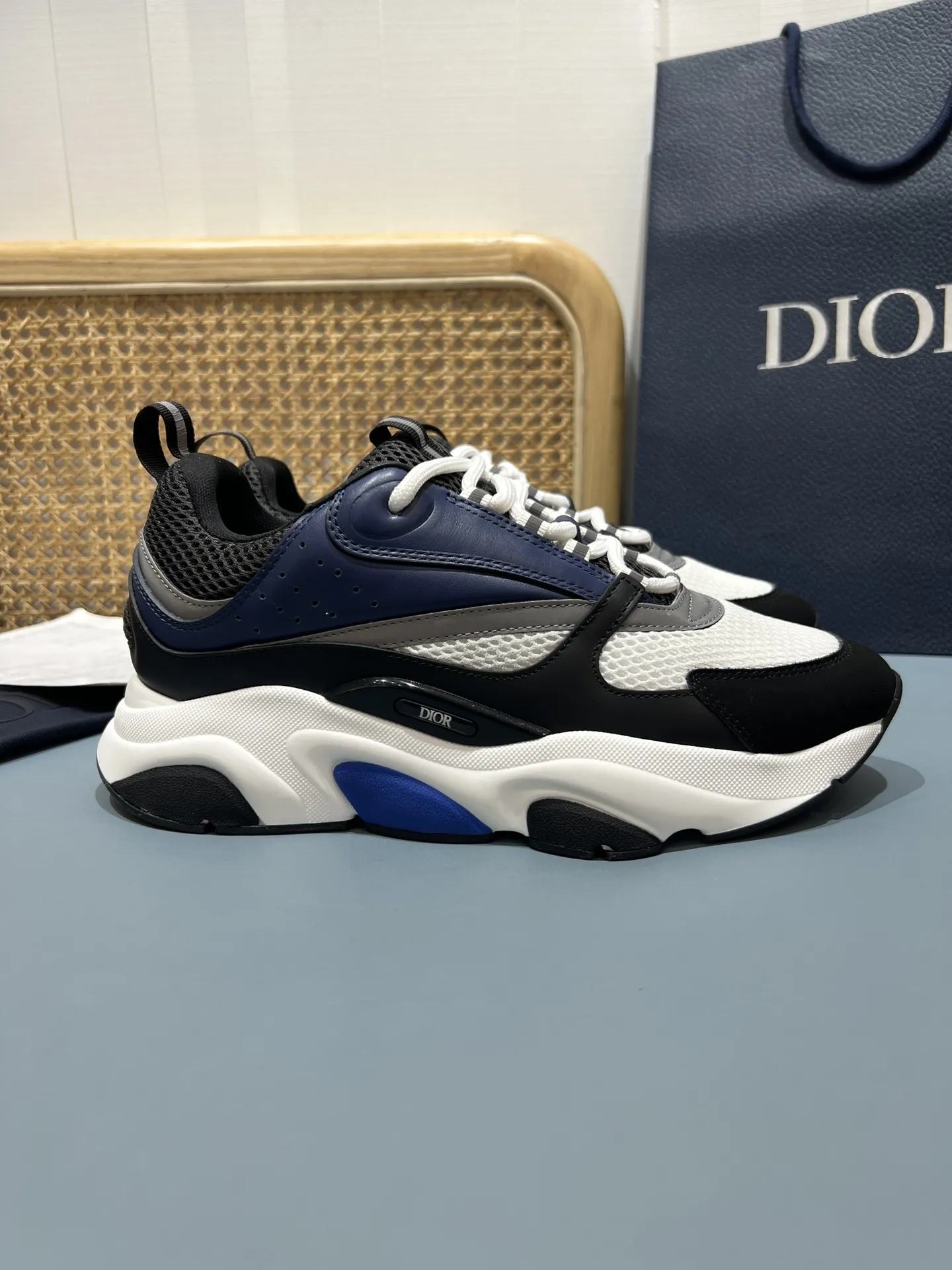
Dior Chunky Sneaker Navy Blue Black White
Original price was: $450.00.$154.00Current price is: $154.00.
Balenciaga White Chunky Sole Platform Sneakers
Original price was: $500.00.$162.45Current price is: $162.45.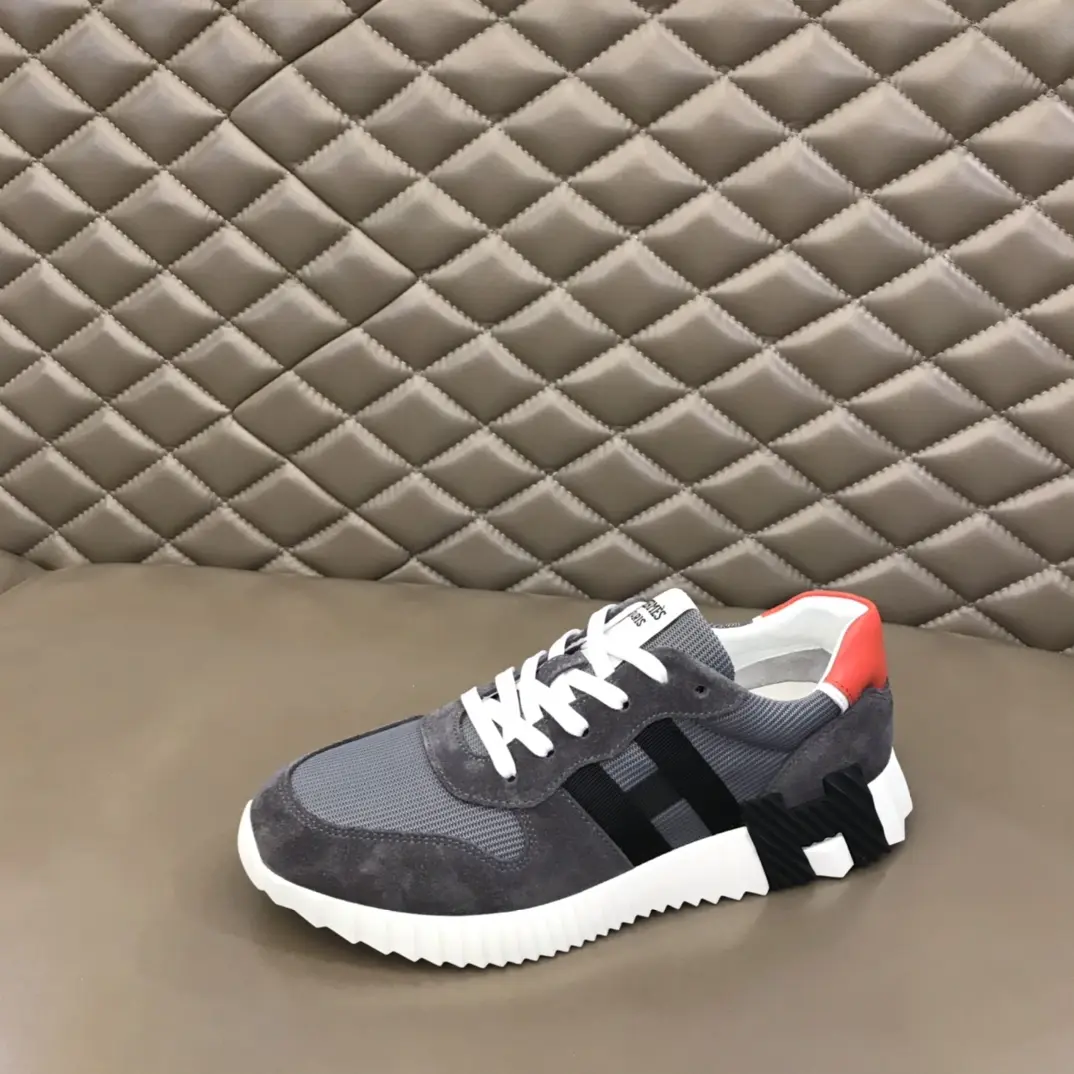
Hermes Gray Black Sneakers Red Panel Trim
Original price was: $269.66.$152.17Current price is: $152.17.
Adidas Adilette Clogs Pink Blokecore Style – Inspired Replica Shoes
Original price was: $400.00.$55.00Current price is: $55.00.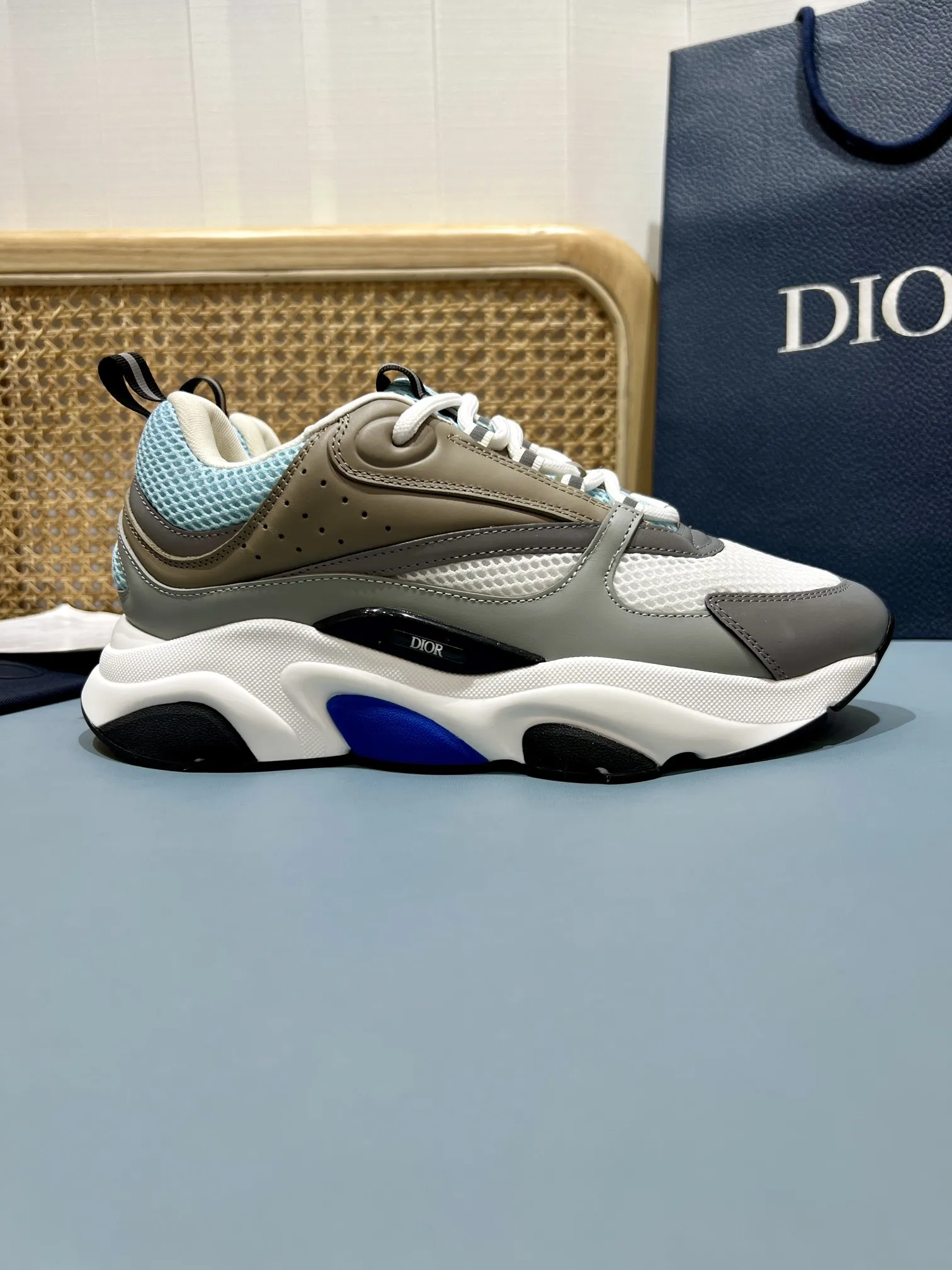
Dior Sneaker Grey Blue Mesh Chunky Sole
Original price was: $450.00.$154.00Current price is: $154.00.
Louis Vuitton Trainer Studded Black Replica Sneakers
Original price was: $688.00.$194.00Current price is: $194.00.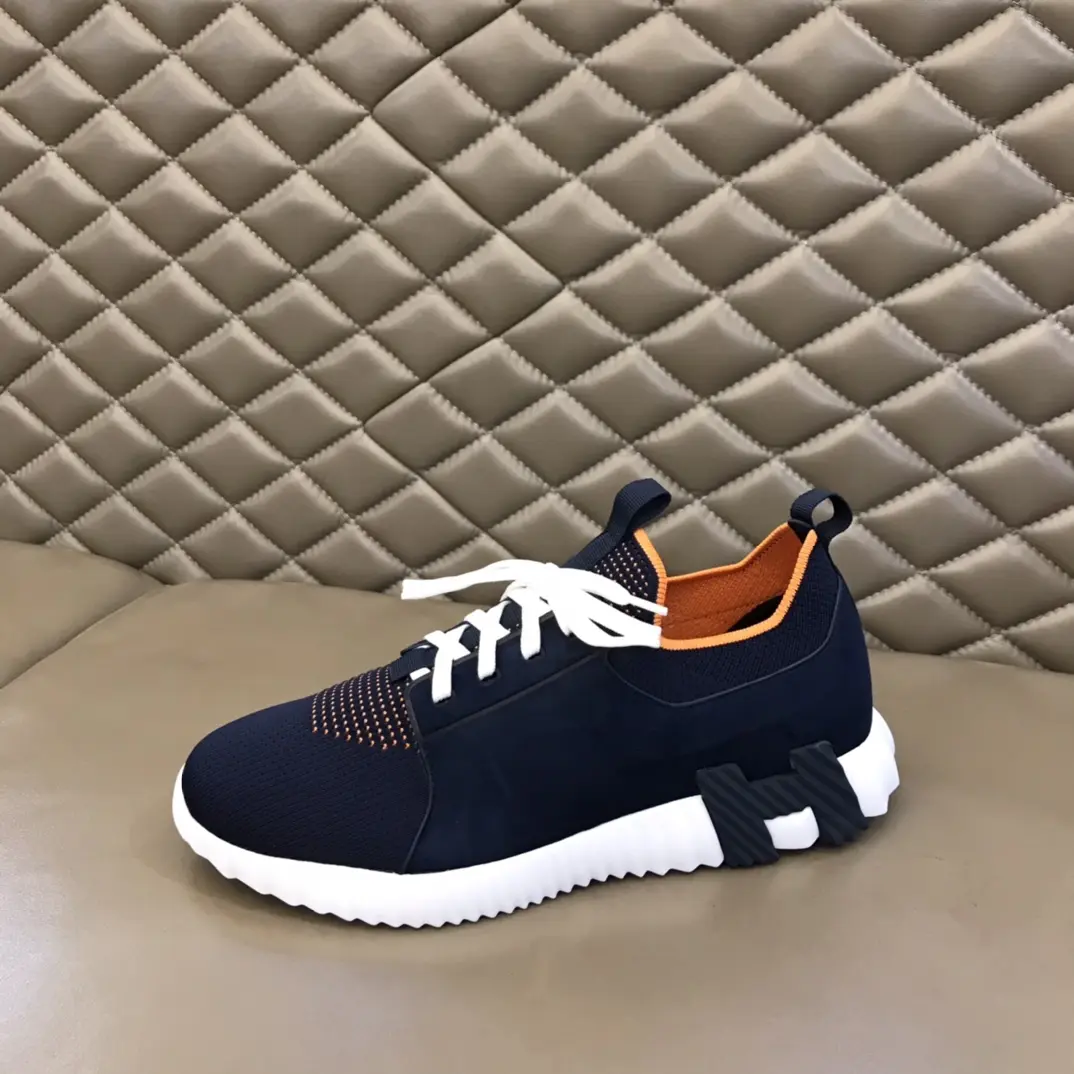
Hermes Black Perforated Knit Sneakers White Sole
Original price was: $360.00.$143.44Current price is: $143.44.
Louis Vuitton Trainer Studded Green Replica Sneakers
Original price was: $688.00.$194.00Current price is: $194.00.About what is the difference between replica and authentic shoes
**What’s the Real Difference Between Replica and Authentic Shoes? A Hands-On Breakdown for Sneakerheads**
If you’ve ever stood in front of a shelf of sneakers, staring at a pair of Jordans or Air Maxes, you’ve probably wondered: *Are these real or just really good fakes?* The gap between authentic and replica shoes isn’t just about price—it’s in the materials, construction, and how they hold up over time. After years of dissecting batches from top-tier rep factories like LJR, PK, FK, and GX, I’ve seen firsthand where the lines blur and where they don’t. Here’s the unfiltered truth.
**Leather & Material Specifications: Tumbled Leather, Suede Texture & Upper Quality**
Authentic sneakers use premium materials that age differently than their replica counterparts. Full-grain leather on a real Jordan 1 Mid, for example, starts with a natural grain that develops rich, organic creases over time. The leather isn’t just stiffer—it’s more responsive to wear, breaking in like a well-worn baseball glove. Replicas, even high-end ones, often use tumbled or corrected leather, which is sanded down to remove imperfections. This makes the material softer upfront but less durable long-term. The creases on a rep’s leather will look more uniform and less organic, almost like they were pressed in with a mold.
Suede is another battlefield. On an authentic Air Jordan 4, the suede has depth—it’s not just a flat surface but a textured weave that reacts to brushing. Replicas often cut corners with cheaper suede that fades unevenly or loses its nap after a few wears. The difference is subtle at first but glaring after a month of daily use. On rep sites like Jordanreps, suppliers will advertise "pre-brushed suede," but even that won’t match the lived-in feel of an original.
**Craftsmanship & Stitching Breakdown: Toe Box, Swoosh Placement & Sole Bonding**
Stitching is where the gap widens fastest. Authentic sneakers use high-density thread that resists fraying, even in high-stress areas like the toe box. The stitches on a real pair are tight, consistent, and rarely show signs of excess glue or uneven tension. Replicas, even from LJR or PK batches, often have visible stitching flaws—loose threads, uneven spacing, or glue seeping through the seams. The toe box on a rep might also feel bulkier or flatter than the original, which can throw off the fit for wider feet.
Logo placement is another dead giveaway. On an authentic pair, the Swoosh or Jumpman is stitched at a precise angle, with no wobble or misalignment. Replicas sometimes get this right, but the thread quality is thinner, and the adhesive underneath can yellow or crack over time. The midsole-to-upper bond is also a tell. Authentic shoes use industrial-grade adhesives that flex with the foot, while many reps rely on cheaper glues that can separate after a few months of wear.
**Sizing, Fit & Cushioning Performance: On-Foot Comfort, Insole Measurements & Sizing Advice**
Sizing discrepancies are the most frustrating part of buying reps. Some batches run half a size small, while others feel like they’re stuffed with extra padding. On Jordanreps, the sizing chart is usually accurate, but the *fit* can still differ. Authentic sneakers have insoles designed for specific foot shapes—narrow for performance models like the KD 15, wider for lifestyle pairs like the Dunk Low. Replicas often use generic insoles that lack arch support or cushioning depth.
Cushioning is where the tech gap is most obvious. An authentic Air Max 90 has a full-length EVA midsole that compresses evenly under pressure. Replicas might mimic the look but often use cheaper foam that bottoms out quickly or feels like walking on concrete. The same goes for Air units—real Jordans have a responsive cushioning system, while reps either overstuff the bladder (making it feel mushy) or underfill it (resulting in a dead, flat sole).
**Jordanreps QC Protocol & Customs Guarantee**
Not all rep sellers are created equal. Jordanreps, for instance, enforces a four-step QC process before any pair ships: HD precision measurements (down to 0.1mm), UV light checks for glue inconsistencies, sole bonding stress tests (where they yank on the outsole to ensure it won’t separate), and box/laces/tag accuracy scans. If a pair fails any step, it gets scrapped—not resold.
Their customs policy is equally strict. If your package gets seized, they don’t just refund you—they *reship* a new pair at no extra cost, no questions asked. Most rep sites won’t cover customs fees, but Jordanreps’ guarantee includes that too. The catch? You have to provide the tracking number and photos of the seized package. Transparency matters, and that’s where reputable sellers separate themselves from the shady ones.
**Care & Maintenance Guide**
Replicas demand more upkeep than authentic shoes, but with the right approach, they can last surprisingly long. For suede/nubuck reps, use a suede brush in one direction to revive the nap, then apply a waterproofing spray like Crep Protect. Avoid harsh cleaners—they strip the dye and leave patches of discoloration. For smooth leather reps, a dab of leather conditioner (like Bick 4) keeps the material from cracking, but don’t overdo it. The tumbled leather on reps absorbs conditioner faster than full-grain, so less is more.
Storage is critical. Keep reps in a cool, dry place away from direct sunlight. UV rays fade dyes and weaken adhesives over time. If you’re storing them long-term, stuff them with acid-free tissue paper to maintain shape. And never, ever machine-wash them—even if the label says "machine washable." The glue in the stitching will fail, and the midsole foam will crumble.
The bottom line? Authentic shoes are built to last, with materials and construction that justify the price tag. Replicas can get close, but they’re a trade-off—softer upfront, less durable long-term, and often requiring more maintenance. If you’re buying reps, do your research on the batch, check the seller’s QC standards, and be prepared to baby them. And if you’re on the fence about authenticity, ask yourself: *Do I want shoes that feel like they’ve been broken in for years, or ones that look the part but won’t hold up?* The choice is yours.