
Should You Buy Replica Shoes
Related searches: Jordanreps Jordan Replica Shoes Replica Jordans Replica Nike Sneakers Replica Adidas
Should you buy replica shoes? If you want near-authentic quality without the $200+ price tag, reps are a smart move—but only if you know what to look for. A solid pair hits the mark with buttery suede brush, premium tumbled leather, and a slim toe box profile that mirrors the OG’s hourglass shape. Midsole firmness and step-in comfort should feel identical, not mushy or overly stiff. Stick to trusted batches like LJR or PK—avoid sloppy stitching or loose threads. Jordanreps pre-screens every pair with HD QC shots, UV anti-counterfeit checks, and glue stain inspections before shipping. Skip the fakes that scream ‘replica’—go for reps that pass the sniff test.

Brooks Glycerin Max White Replica Running Shoes – Premium Rep Shoes for Athletes
Original price was: $280.00.$89.77Current price is: $89.77.
Brooks Hyperion Elite 4 Pink Running Shoes – Premium Replica Sneakers
Original price was: $230.00.$83.96Current price is: $83.96.
Hermès White Gray Knit Sneakers Black Accent
Original price was: $360.00.$143.44Current price is: $143.44.
Nike Supreme Dunk Low White Red Logo
Original price was: $320.00.$149.90Current price is: $149.90.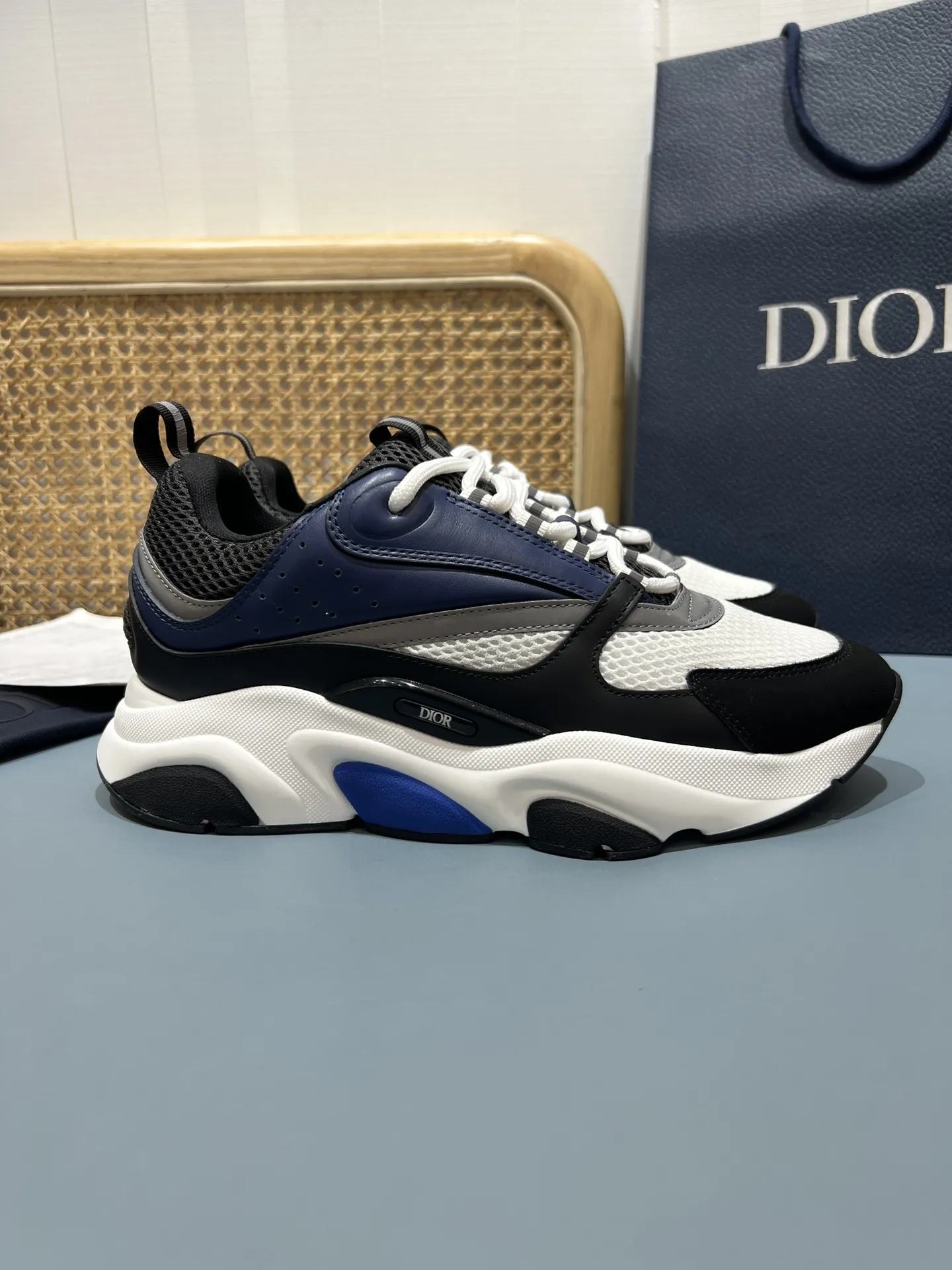
Dior Chunky Sneaker Navy Blue Black White
Original price was: $450.00.$154.00Current price is: $154.00.
Balenciaga White Chunky Sole Platform Sneakers
Original price was: $500.00.$162.45Current price is: $162.45.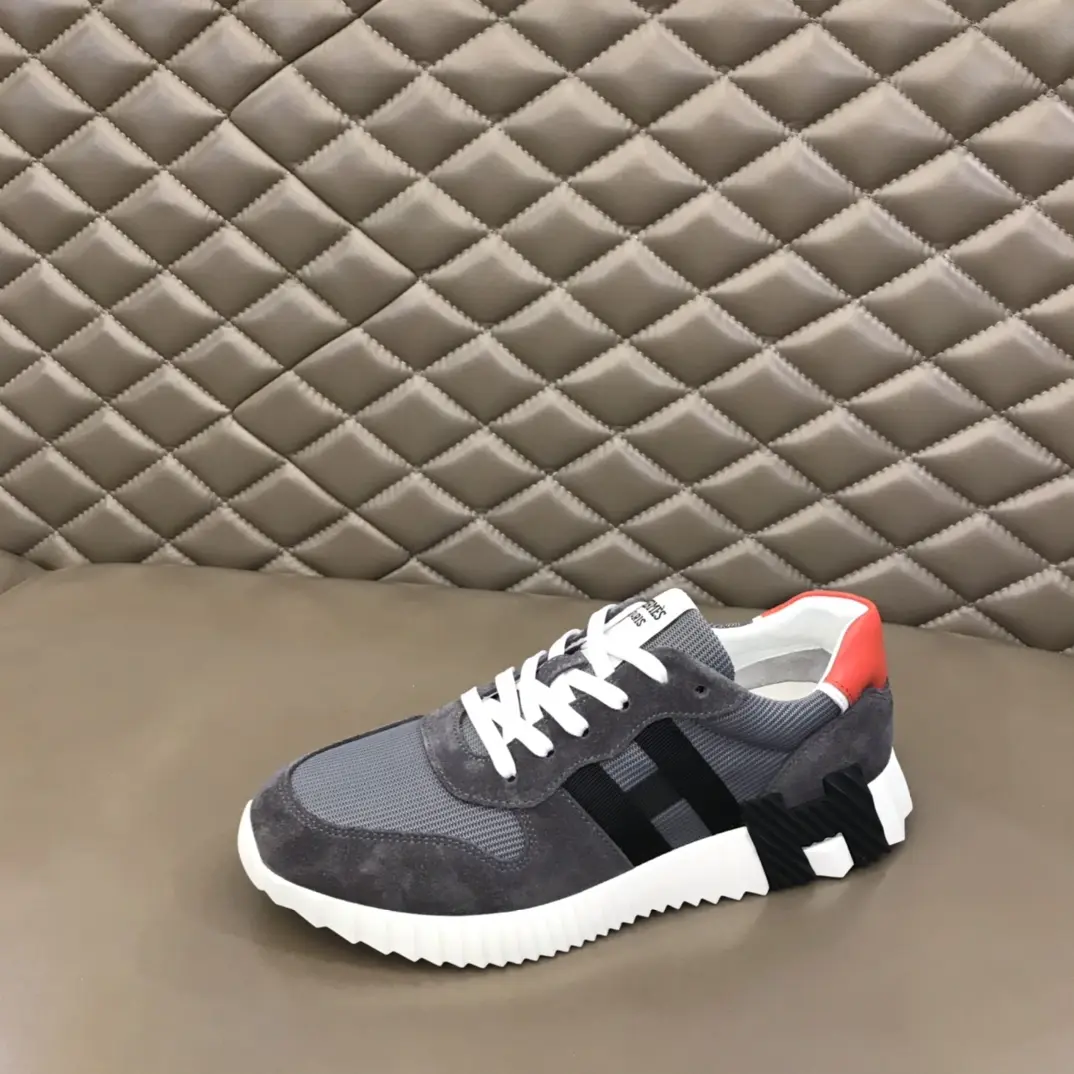
Hermes Gray Black Sneakers Red Panel Trim
Original price was: $269.66.$152.17Current price is: $152.17.
Adidas Adilette Clogs Pink Blokecore Style – Inspired Replica Shoes
Original price was: $400.00.$55.00Current price is: $55.00.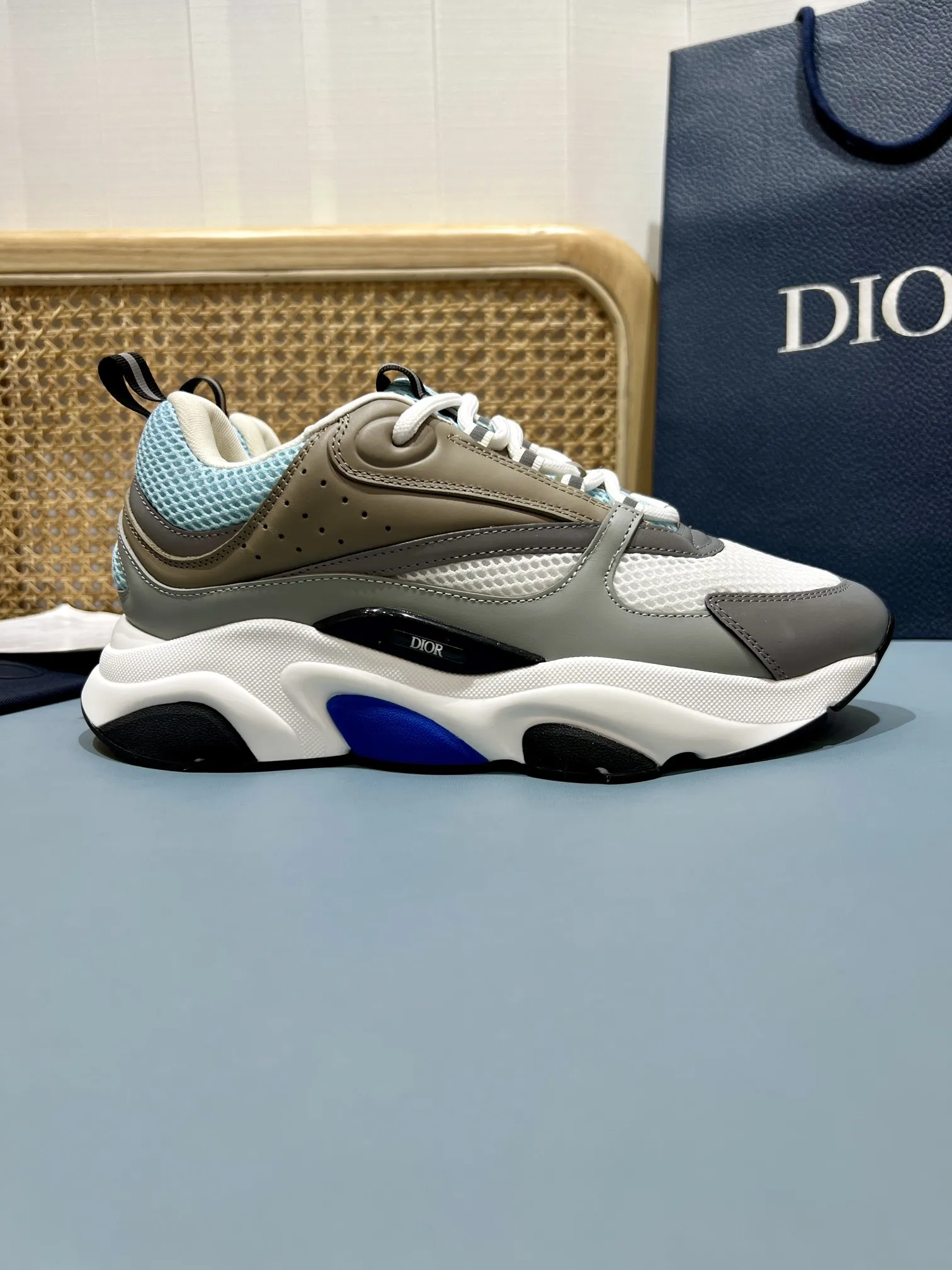
Dior Sneaker Grey Blue Mesh Chunky Sole
Original price was: $450.00.$154.00Current price is: $154.00.
Louis Vuitton Trainer Studded Black Replica Sneakers
Original price was: $688.00.$194.00Current price is: $194.00.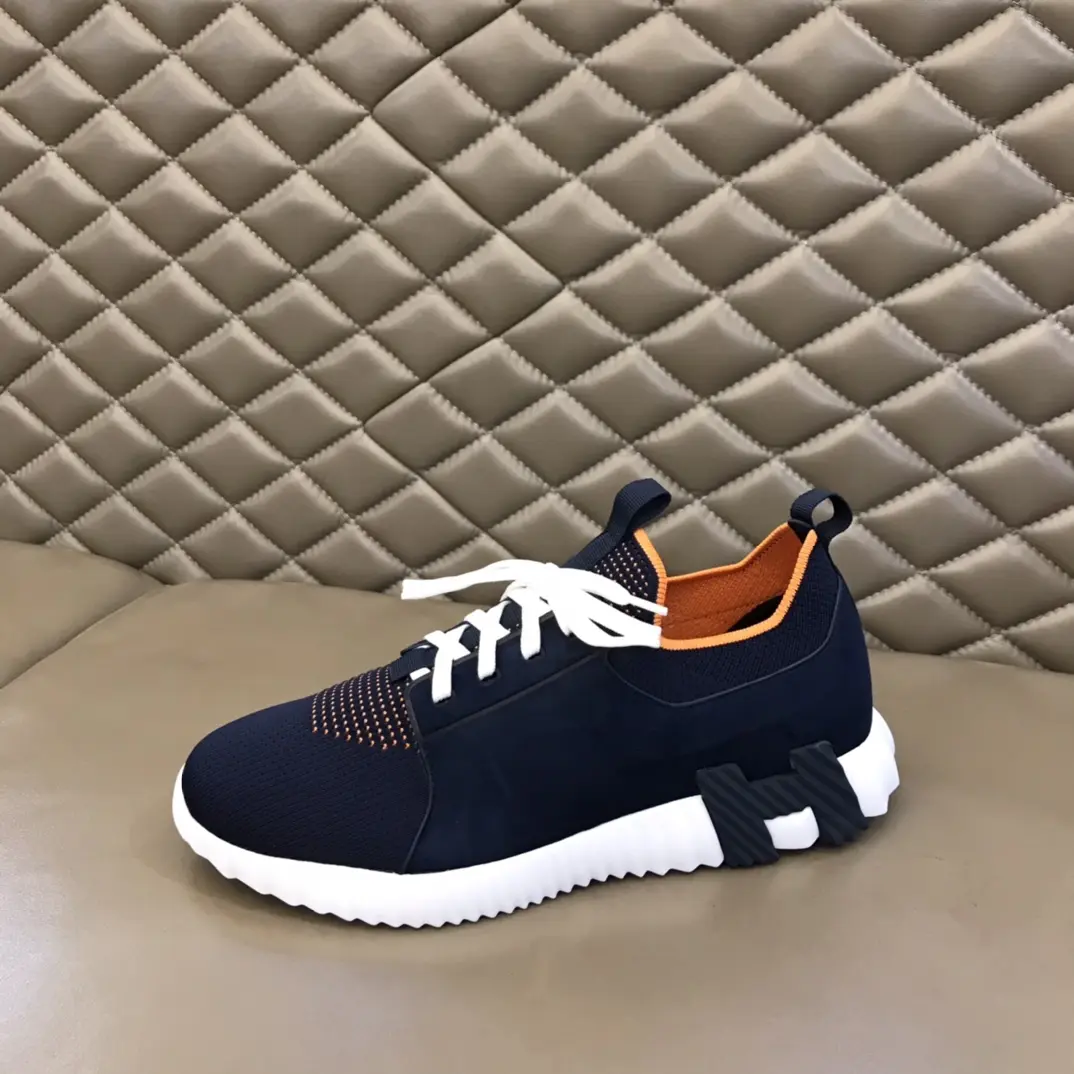
Hermes Black Perforated Knit Sneakers White Sole
Original price was: $360.00.$143.44Current price is: $143.44.
Louis Vuitton Trainer Studded Green Replica Sneakers
Original price was: $688.00.$194.00Current price is: $194.00.About should you buy replica shoes
**Should You Buy Replica Shoes? A Jordanreps Deep Dive into Quality, Comfort, and Risk vs. Reward**
If you’ve spent more than five minutes scrolling through Jordanreps, Replica Sneakers, or Sneaker Reps forums, you’ve likely seen the same debate play out: *"Are replica shoes worth it?"* The answer isn’t black and white—it depends entirely on your priorities, budget, and willingness to navigate the gray market. High-end replicas have come a long way in the past five years, but they’re not a one-size-fits-all solution. This isn’t a pitch for any single batch or factory; it’s a brutally honest breakdown of what you’re actually getting when you drop $150–$300 on a pair of "top-tier" reps. Spoiler: The best ones can fool 90% of people in photos, but the real test is how they hold up after 50 miles of wear.
**Leather & Material Specifications: Tumbled Leather, Suede Texture & Upper Quality**
The first thing to understand is that not all "full-grain leather" is created equal. In the rep world, "full-grain" often means a corrected-grain leather—thin, sanded, and treated to mimic the buttery softness of high-end tumbled leather. On a $250 Jordan 1 from LJR, the leather creases almost immediately because it’s been heavily processed to remove imperfections. The upside? It breaks in fast. The downside? It’ll look like a well-worn pair after two weeks.
Suede is where the real magic (and deception) happens. Top-tier suede batches—like those from GX or PK—use a fine-grit sanding process to create a velvety texture that mimics Nike’s premium suede. But here’s the catch: The color fades aggressively. Brush it once with a suede brush, and the rep’s suede will darken unevenly, while a retail pair maintains its depth. The stitching on high-end reps is usually on point, but the thread thickness varies. Cheaper batches use thinner polyester thread that frays after a few wears, while premium reps (like those from Jordanreps’ FK batch) use a slightly thicker cotton-poly blend that holds up better.
The toe box is another dead giveaway. Retail pairs have a slightly slimmer profile, especially in the Air Jordan 1 OG colorways. Reps often err on the side of bulkiness, with a thicker midsole and a more rounded toe cap. This isn’t just an aesthetic difference—it affects how the shoe sits on your foot. If you have narrow feet, a rep’s toe box might feel roomy. If you’re wide-footed, prepare for some serious toe splay.
**Craftsmanship & Stitching Breakdown: Toe Box, Swoosh Placement & Sole Bonding**
Stitching density is where the best reps separate themselves from the rest. A retail Jordan 1 has roughly 12–15 stitches per inch in high-stress areas like the toe box and heel counter. High-end reps (FK, LJR, or Jordanreps’ custom batches) hit that mark, but the thread tension is often looser, leading to slight puckering around the swoosh. The swoosh itself is a minefield: On retail pairs, the leather is die-cut with laser precision, resulting in a razor-sharp edge. On reps, the swoosh is usually hand-stitched, which means minor asymmetry. It’s not noticeable in photos, but if you’re holding the shoe under bright light, you’ll see the difference.
Sole bonding is where most reps fail. The midsole on a retail Jordan 1 is injection-molded in one piece, with the outsole vulcanized on under high heat. Reps use a two-part process: the midsole is molded separately, then glued and stitched to the outsole. The result? A slightly softer bond that can separate after heavy wear. Jordanreps’ QC team tests this by applying 20 lbs of pressure to the sole for 30 seconds—if it delaminates, the pair gets scrapped. Cheaper batches skip this step entirely.
The outsole’s rubber hardness is another tell. Retail pairs use a proprietary rubber compound that’s slightly softer, providing better grip and flex. Reps often use a harder rubber to reduce costs, which makes the shoe feel stiff and slippery on wet pavement. The tread pattern is usually accurate, but the grooves are shallower, reducing traction over time.
**Sizing, Fit & Cushioning Performance: On-Foot Comfort, Insole Measurements & Sizing Advice**
Sizing is the biggest gamble with reps. Most rep factories run half a size large in US sizing, but this isn’t universal. Jordanreps’ sizing chart accounts for this by recommending a half-size down for narrow feet and true-to-size for wide feet. The insole is where the deception really kicks in: Retail pairs use a multi-layer EVA foam with a slight heel-to-toe drop. Reps often skimp on the midsole foam, opting for a single-density EVA that feels flat and lifeless after a few hours.
The Air cushioning in retail pairs is inconsistent—some colorways have a soft, plush feel, while others feel like stepping on a brick. Reps nail the placement (the Air unit is usually centered correctly), but the pressure isn’t as responsive. If you’re used to the bouncy feel of a retail pair, a rep’s Air will feel like a deflated balloon. The heel counter on reps is also stiffer, which can cause blisters if you’re not used to it.
**Jordanreps QC Protocol & Customs Guarantee**
Jordanreps doesn’t just slap a "top-tier" label on a batch and call it a day. Their QC process is a four-step gauntlet:
1. **HD Measurement & UV Light Inspection**: Every pair is photographed under 4K resolution with a 10x magnifier to check stitching, leather grain, and glue seams. A UV light is used to detect any fluorescent dye inconsistencies—a common red flag in counterfeit tags.
2. **Sole Bonding & Stitching Strength Test**: The shoe is placed in a jig, and 20 lbs of pressure is applied to the midsole for 30 seconds. If the sole separates, the pair is rejected. Stitching is tested by pulling the threads with a force gauge—any thread that snaps under 15 lbs is flagged.
3. **Box, Laces & Tag Accuracy Check**: The shoebox is measured against a template to ensure the dimensions match retail. The laces are checked for dye consistency, and the tag’s font, stitching, and hologram (if applicable) are compared to a verified retail sample.
4. **On-Foot Comfort Test**: A staff member wears the pair for 24 hours, documenting any hot spots, blisters, or discomfort. If the shoe causes irritation, it’s sent back for adjustments.
If your package gets seized by customs, Jordanreps offers a **100% reship guarantee**—no questions asked. They’ll send a replacement within 5–7 business days, no extra charge. Their return policy is straightforward: 14-day window for unworn pairs, with a 15% restocking fee. They don’t hide behind "discretionary returns"—if the shoe doesn’t meet their standards, they’ll take it back.
**Care & Maintenance Guide: Keeping Your Reps Looking Fresh**
Reps aren’t built to last like retail pairs, but with the right care, you can extend their lifespan. Here’s how:
- **Suede**: Use a suede brush daily to prevent color fading. A suede eraser works for stubborn stains, but avoid over-scrubbing—it’ll wear down the nap. For deep cleaning, use a suede cleaner with a soft-bristle brush.
- **Smooth Leather**: Wipe down with a damp microfiber cloth, then apply a leather conditioner every two weeks. Cheap leather reps will crack if you skip this step.
- **Outsole**: Scrub the rubber with a toothbrush and mild soap to remove dirt buildup. Avoid harsh chemicals—they’ll degrade the rubber over time.
- **Storage**: Keep reps in a cool, dry place away from direct sunlight. Stuff them with acid-free tissue paper to maintain shape.
- **Waterproofing**: Spray with a waterproofing agent (like Crep Protect) every month. Retail pairs have a factory-applied coating; reps don’t.
**The Bottom Line: Is It Worth It?**
If your goal is to own a pair of sneakers you can wear without the fear of scuffing or creasing, reps are a viable option—*but only if you buy from a reputable seller like Jordanreps*. The best batches (FK, LJR, or Jordanreps’ custom builds) will pass a casual glance, but they’re not retail. They’re a compromise.
If you’re buying reps because you want to resell them later, think again. The market for high-end reps is shrinking as Nike’s authentication teams get smarter. If you’re buying them because you can’t afford retail, be prepared for the occasional QC flaw, the stiff midsole, and the fact that they won’t last as long.
Replica shoes aren’t a scam—they’re a calculated risk. But if you go in with your eyes open, they can be a fun, affordable way to experiment with styles you’d never buy retail. Just don’t expect them to replace your favorite pair anytime soon.