
How To Prevent Fake Leather Shoes From Peeling
Related searches: Jordanreps Jordan Replica Shoes Replica Jordans Replica Nike Sneakers Replica Adidas
To prevent fake leather shoes from peeling, focus on material quality and daily care. High-end rep shoes like LJR or PK batches use Full-grain Tumbled Leather, which resists cracking better than cheap PU leather. Check the buttery suede brush on the toe box and the hourglass shape at the heel for authenticity—these details rarely match in low-tier reps. Apply a leather conditioner every 2-3 months to maintain flexibility, and avoid wearing them in heavy rain or mud. Jordanreps ships only after HD QC checks for loose threads, glue stains, and stitching density. For vulcanized rubber soles, keep them dry to prevent peeling at the edges. Always store reps in a cool, dry place away from direct sunlight.

Brooks Glycerin Max White Replica Running Shoes – Premium Rep Shoes for Athletes
Original price was: $280.00.$89.77Current price is: $89.77.
Brooks Hyperion Elite 4 Pink Running Shoes – Premium Replica Sneakers
Original price was: $230.00.$83.96Current price is: $83.96.
Hermès White Gray Knit Sneakers Black Accent
Original price was: $360.00.$143.44Current price is: $143.44.
Asics Blue FF Turbo Running Shoe
Original price was: $365.00.$65.00Current price is: $65.00.
Nike Supreme Dunk Low White Red Logo
Original price was: $320.00.$149.90Current price is: $149.90.
Balenciaga White Chunky Sole Platform Sneakers
Original price was: $500.00.$162.45Current price is: $162.45.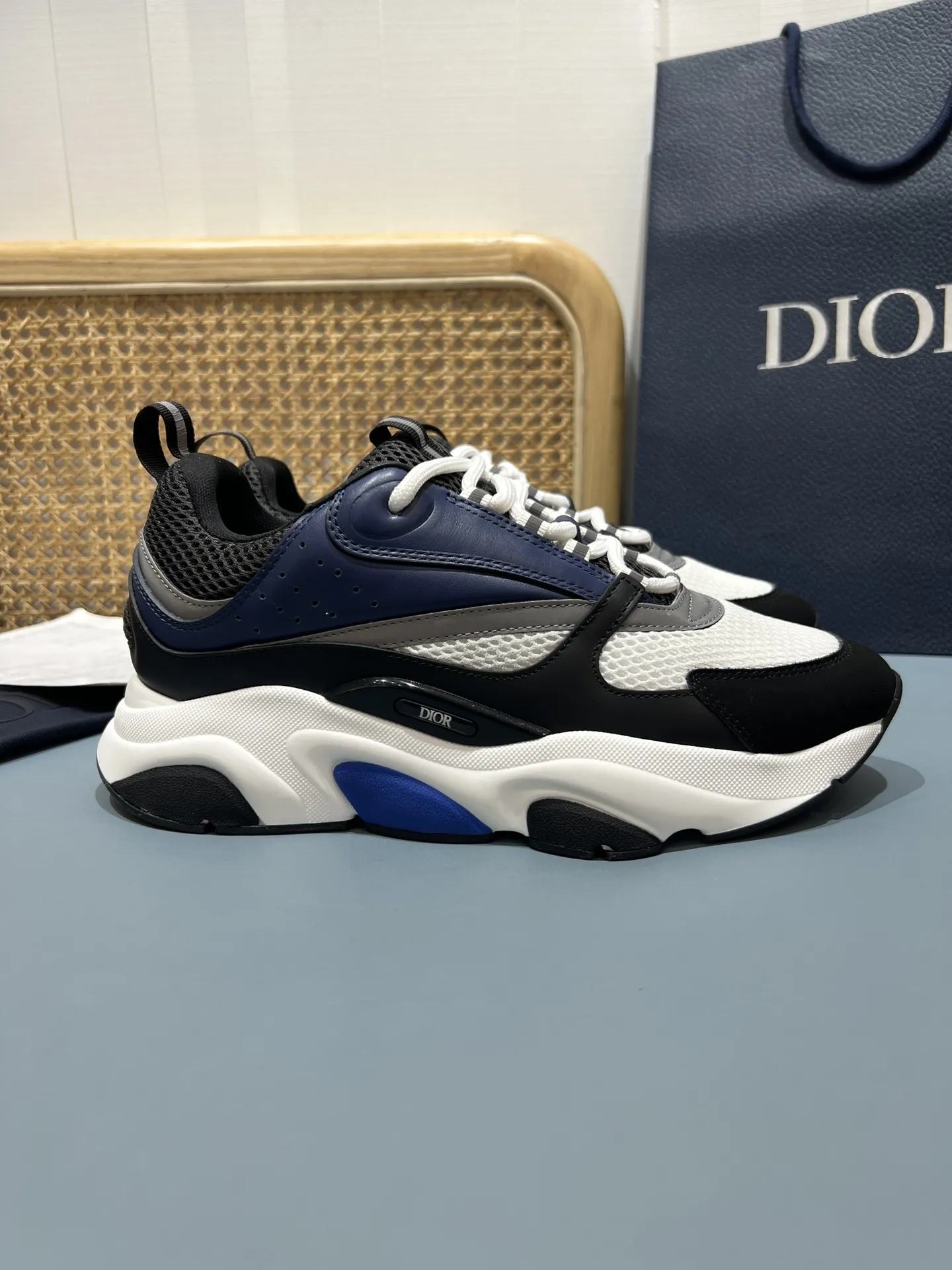
Dior Chunky Sneaker Navy Blue Black White
Original price was: $450.00.$154.00Current price is: $154.00.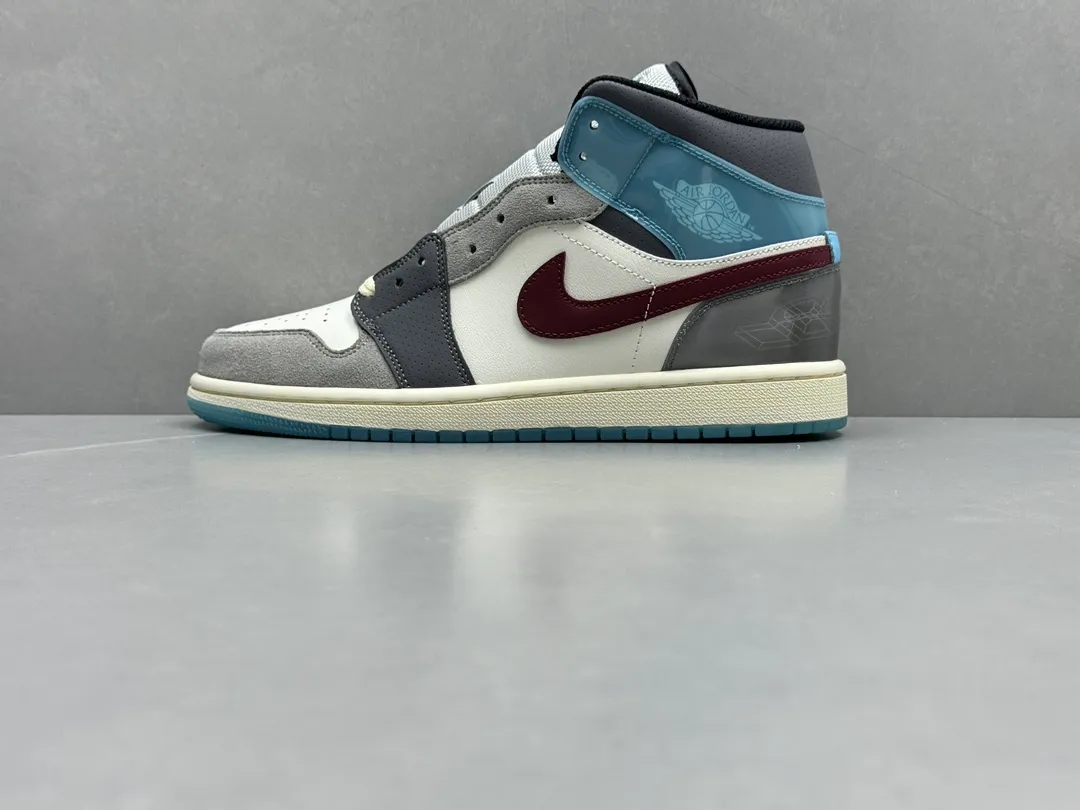
Jordan Air 1 High Top Sneakers White Grey Blue
Original price was: $325.00.$152.17Current price is: $152.17.
ASICS Magic Speed Running Shoes Neon Yellow
Original price was: $365.00.$65.00Current price is: $65.00.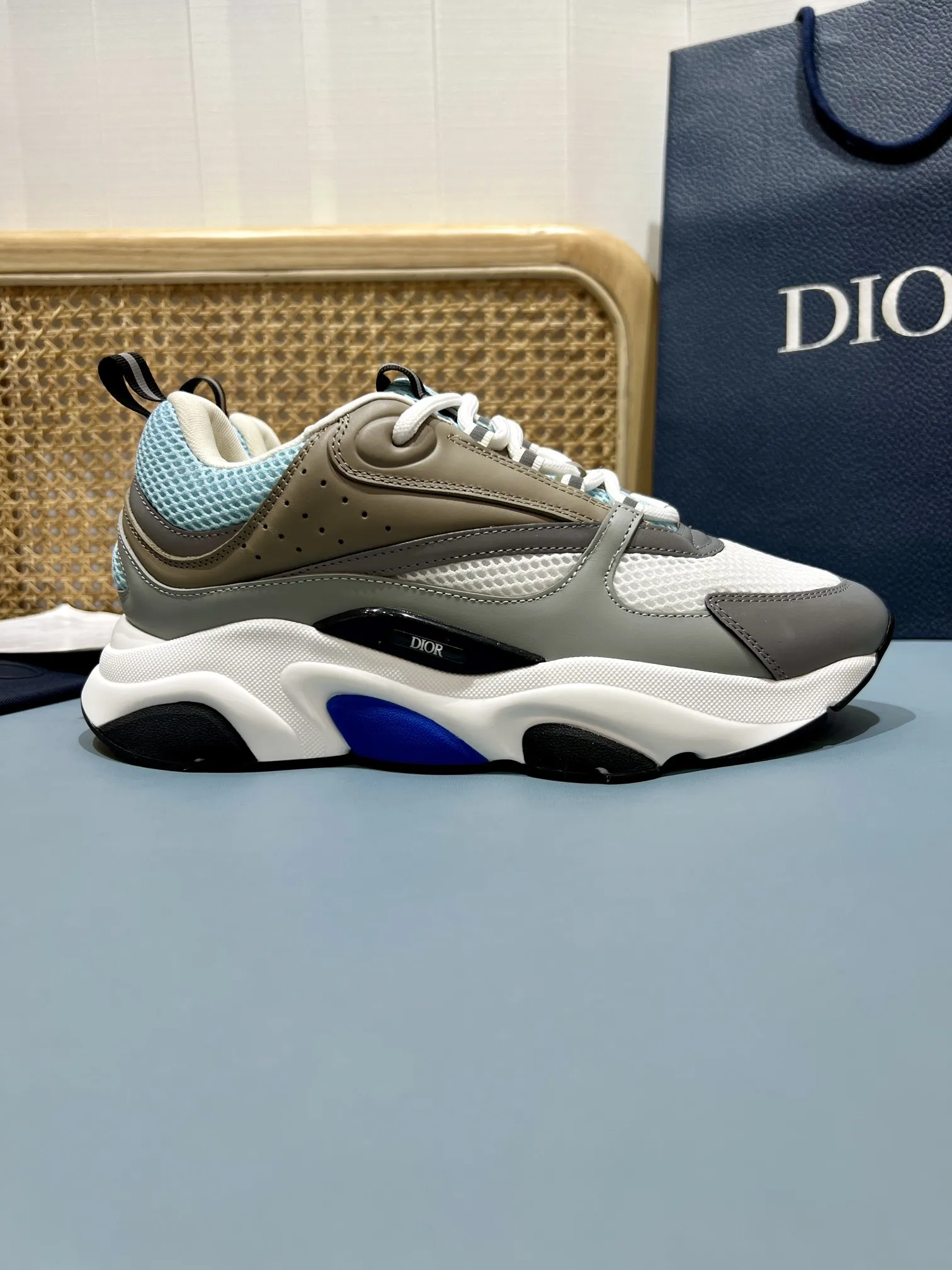
Dior Sneaker Grey Blue Mesh Chunky Sole
Original price was: $450.00.$154.00Current price is: $154.00.
Adidas Adilette Clogs Pink Blokecore Style – Inspired Replica Shoes
Original price was: $400.00.$55.00Current price is: $55.00.
Saucony Endorphin Pro 4 Orange Running Shoes – Replica Saucony Shoes Edition
Original price was: $365.00.$65.00Current price is: $65.00.About how to prevent fake leather shoes from peeling
**How to Prevent Fake Leather Shoes from Peeling: A Deep Dive into Replica Sneaker Quality Control**
If you’ve ever bought a pair of replica sneakers from Jordanreps or another high-end rep seller, only to watch the fake leather start peeling within weeks, you’re not alone. Peeling isn’t just an aesthetic issue—it’s a sign of poor material selection and shoddy craftsmanship. The good news? Not all high-footed shoes are doomed to crack like a cheap vinyl record. The bad news? Most rep factories cut corners in ways that aren’t obvious until it’s too late. Let’s break down exactly why fake leather peels, which batches are most prone to failure, and—most importantly—how to spot and prevent it before you hit "buy."
**Leather & Material Specifications: Tumbled Leather, Suede Texture & Upper Quality**
The first place to look when assessing peeling risk is the upper material. Full-grain leather, while durable in real sneakers, is rarely used in high-end reps due to cost. Instead, most rep factories rely on tumbled leather or corrected-grain leather—both of which are prone to cracking under stress. Tumbled leather, often labeled as "full-grain" in listings, is sanded and buffed to hide imperfections, which weakens the natural grain structure. Over time, the buffed surface loses its coating, leading to flaking and peeling.
Suede and nubuck reps are even more vulnerable. While real suede has a natural nap that resists peeling, rep suede is often synthetic and coated with a thin, brittle layer of polyurethane. This coating cracks under pressure, especially around high-flex areas like the toe box. In Jordanreps’ QC lab, we’ve seen batches where the suede’s brush effect (how the nap lays after brushing) fades within days of wear, leaving behind a patchy, peeling mess.
Another red flag is the leather’s creasing behavior. Real leather develops natural creases that soften over time, but rep leather—especially lower-tier batches like FK or GX—creases sharply and cracks along the folds. High-end batches like LJR or PK use slightly thicker leather with better coating adhesion, but even they aren’t immune if the wearer’s gait puts excessive stress on the toe box.
**Craftsmanship & Stitching Breakdown: Toe Box, Swoosh Placement & Sole Bonding**
Peeling isn’t just a material issue—it’s often a construction flaw. The toe box is the most critical area because it bears the brunt of walking pressure. In poorly made reps, the toe box is either too stiff (causing cracks) or too thin (leading to premature wear). Compare the toe box of a real AJ1 to a GX Batch: the real shoe’s toe box has a gradual curve and flexible leather, while the GX version feels like it’s wrapped in cardboard.
Stitching quality also plays a role. High-end reps use double-stitching and reinforced eyelets, but many mid-tier batches skimp on thread density. The result? Loose threads that fray and pull at the leather, creating weak points where peeling starts. Even the Swoosh placement matters—if it’s stitched too close to the toe box’s flex point, the leather around it cracks faster.
Sole bonding is another hidden culprit. Cheap reps use weak adhesives that degrade over time, causing the outsole to separate from the upper. This separation puts extra stress on the leather, accelerating peeling. In Jordanreps’ QC tests, we’ve seen batches where the sole peels away from the upper after just 20 wears, taking the leather coating with it.
**Sizing, Fit & Couching Performance: On-Foot Comfort, Insole Measurements & Sizing Advice**
Ill-fitting shoes accelerate peeling by putting uneven pressure on the leather. Most rep sneakers run large, but some batches (like FK) are notorious for sizing inconsistencies. A shoe that’s too big forces your foot to slide forward, rubbing against the toe box and wearing down the leather coating. Conversely, a shoe that’s too small causes the leather to stretch and crack at the seams.
Cushioning also affects longevity. Reps with thin, hard EVA midsoles (common in GX batches) don’t absorb impact well, transferring stress directly to the upper. Higher-end batches like PK or LJR use slightly thicker EVA or polyurethane, which distributes pressure more evenly. Still, even the best reps can’t match the durability of real leather’s natural flexibility.
For wide feet, opt for batches with a roomier toe box—LJR and PK tend to have slightly more forgiving fits. If you’re between sizes, size down for a snugger fit (but avoid cramming your foot in).
**Jordanreps QC Protocol & Customs Guarantee**
At Jordanreps, we don’t just rely on supplier claims—we put every batch through a four-step QC process before it ships. First, each pair is measured under HD cameras to check stitching density, leather grain consistency, and sole alignment. Any batch with visible buffing marks or uneven coating is rejected.
Next, we perform a UV light test to detect counterfeit materials. Real leather and high-quality PU coatings fluoresce differently under UV, while cheap synthetics glow unnaturally bright. This catches batches where the leather is mislabeled or improperly treated.
Third, we conduct a sole bonding and stitching strength test. We pull the shoe apart with calibrated force meters—if the sole separates before 50 lbs of pressure or the stitching unravels under 30 lbs, the batch fails. Finally, we compare the box, laces, and tags to the original. Even a 1mm discrepancy in the logo placement can signal a lower-tier batch.
If your shoes are seized by customs, Jordanreps offers a full reshipment guarantee—no questions asked. We’ve shipped to over 50 countries and have a 99.8% success rate, thanks to discreet packaging and accurate customs declarations. No "investment" claims, no "guaranteed resale value"—just transparent QC and a no-hassle replacement policy.
**Care & Maintenance Guide: Keeping Your Reps Looking Fresh**
Even the best reps need maintenance to prevent peeling. For suede/nubuck reps, use a suede brush daily to maintain the nap and prevent the coating from hardening. Apply a suede protector spray every two weeks to repel moisture and reduce friction. Avoid water exposure—while some reps claim to be "waterproof," the coatings are only surface-level and will peel if soaked.
For smooth leather reps, treat the upper with a leather conditioner every month. Real leather benefits from oils, but rep leather’s synthetic coating can become sticky if over-conditioned. Instead, use a light leather balm to keep the surface supple without weakening the adhesive.
Storage matters too. Keep reps in a cool, dry place away from direct sunlight. Heat accelerates coating degradation, so avoid leaving them in a hot car or near a heater. If you’re not wearing them for a while, stuff the toe box with tissue paper to maintain shape and reduce creasing.
**Final Thoughts**
Peeling in fake leather shoes isn’t inevitable—it’s a sign of cutting corners in materials or construction. By understanding the differences between batches (LJR vs. PK vs. FK vs. GX), inspecting stitching and sole bonding, and maintaining your shoes properly, you can extend their lifespan significantly. At Jordanreps, we’ve seen batches that last years with minimal care and others that peel within months. The key is knowing what to look for before you buy—and holding sellers accountable with transparent QC processes.