
How To Make Fake Leather Shoes Softer
Related searches: Jordanreps Jordan Replica Shoes Replica Jordans Replica Nike Sneakers Replica Adidas
Stiff fake leather shoes need heat and conditioning to soften up fast. Use a hairdryer on low for 30 seconds to warm the leather, then rub in a dime-size drop of mink oil or coconut oil with a microfiber cloth. For rep sneakers with full-grain tumbled leather (LJR batch), focus on the toe box profile and hourglass heel shape—these areas stiffen first. Avoid over-oiling; one light coat keeps the suede buttery without clogging pores. Jordanreps ships only after HD QC checks for loose threads, glue stains, and stitching density. If the midsole feels too firm, swap insoles for gel inserts to dial in step-in comfort without altering the vulcanized rubber sole.

Brooks Glycerin Max White Replica Running Shoes – Premium Rep Shoes for Athletes
Original price was: $280.00.$89.77Current price is: $89.77.
Brooks Hyperion Elite 4 Pink Running Shoes – Premium Replica Sneakers
Original price was: $230.00.$83.96Current price is: $83.96.
Hermès White Gray Knit Sneakers Black Accent
Original price was: $360.00.$143.44Current price is: $143.44.
Asics Blue FF Turbo Running Shoe
Original price was: $365.00.$65.00Current price is: $65.00.
Nike Supreme Dunk Low White Red Logo
Original price was: $320.00.$149.90Current price is: $149.90.
Balenciaga White Chunky Sole Platform Sneakers
Original price was: $500.00.$162.45Current price is: $162.45.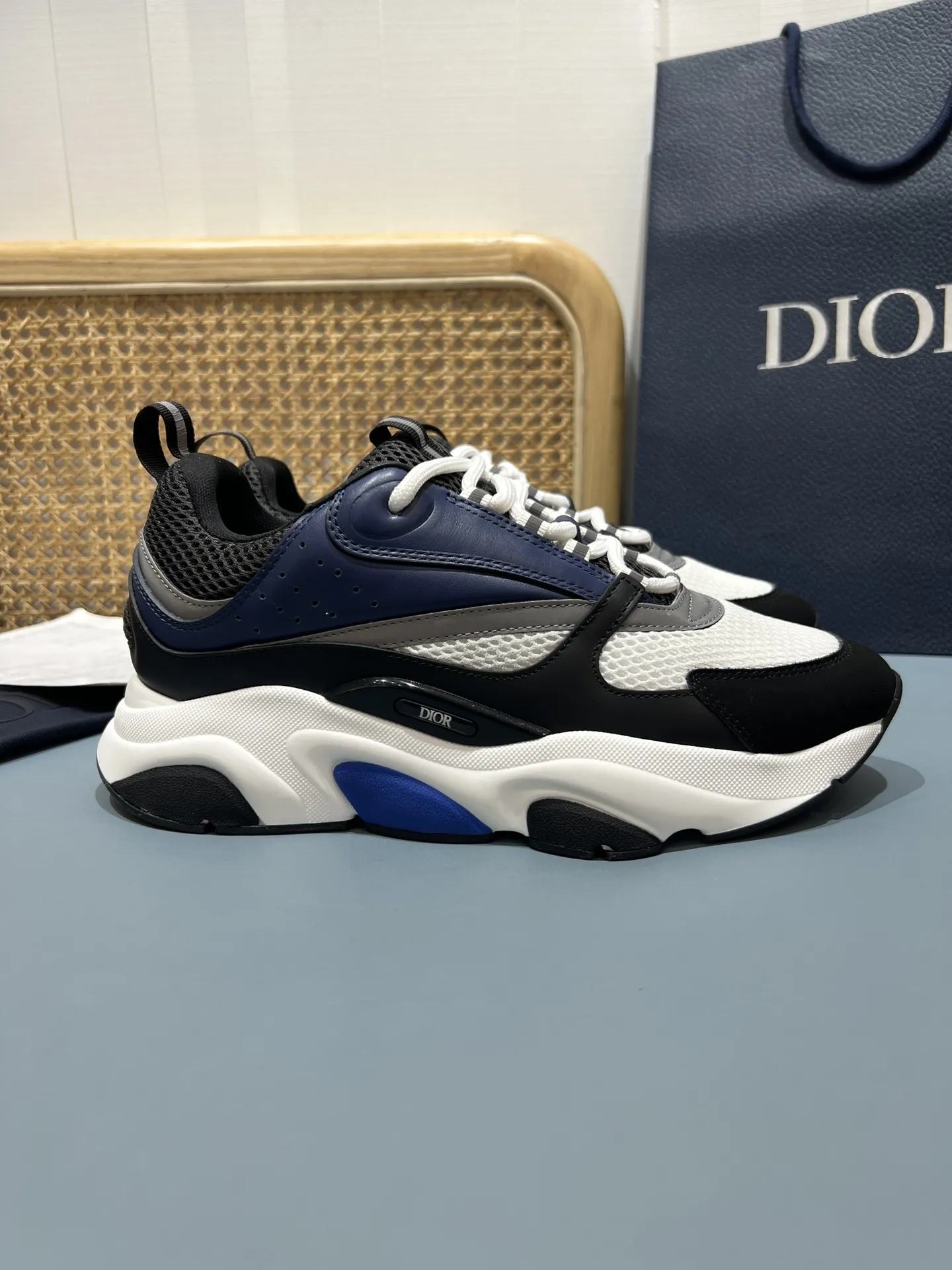
Dior Chunky Sneaker Navy Blue Black White
Original price was: $450.00.$154.00Current price is: $154.00.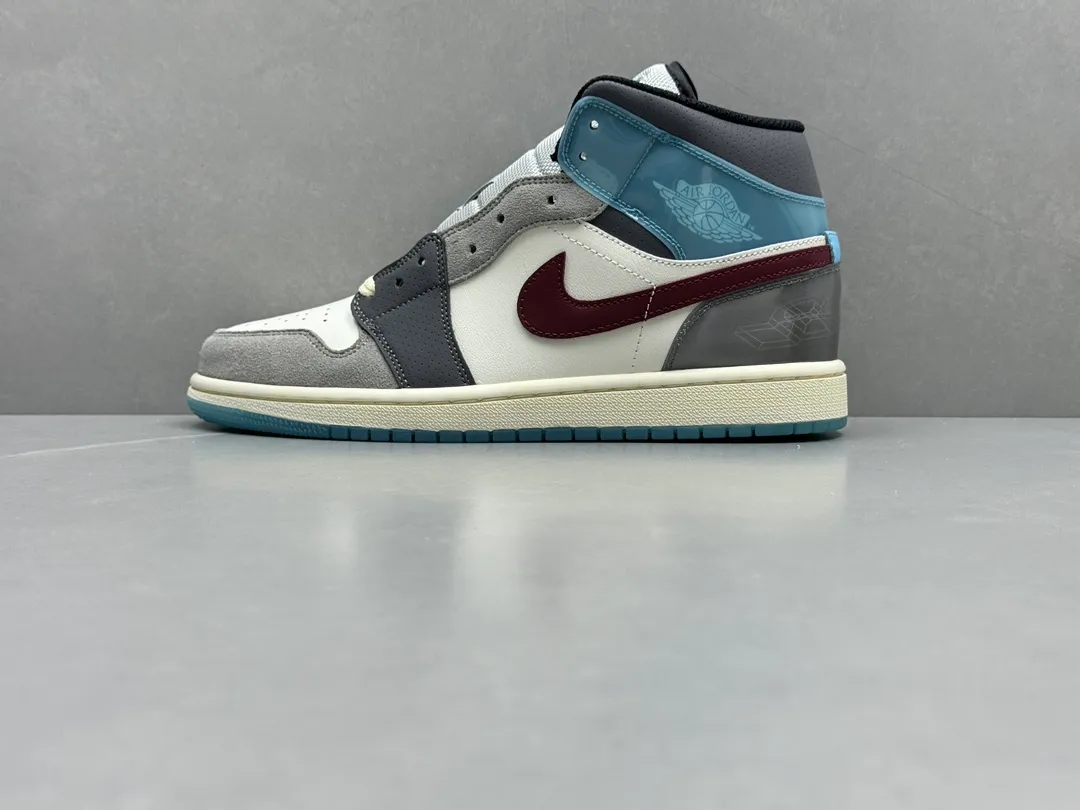
Jordan Air 1 High Top Sneakers White Grey Blue
Original price was: $325.00.$152.17Current price is: $152.17.
ASICS Magic Speed Running Shoes Neon Yellow
Original price was: $365.00.$65.00Current price is: $65.00.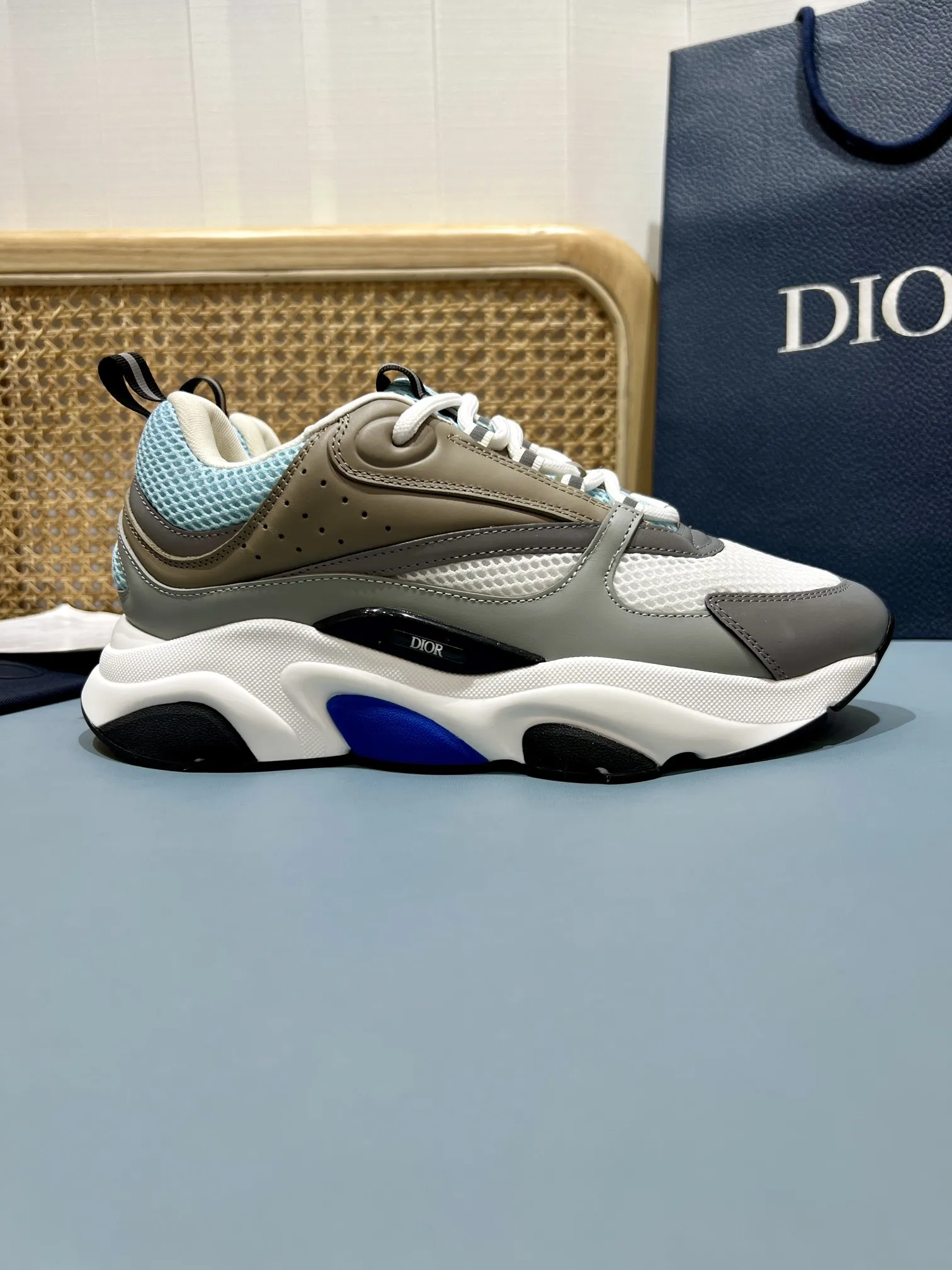
Dior Sneaker Grey Blue Mesh Chunky Sole
Original price was: $450.00.$154.00Current price is: $154.00.
Adidas Adilette Clogs Pink Blokecore Style – Inspired Replica Shoes
Original price was: $400.00.$55.00Current price is: $55.00.
Saucony Endorphin Pro 4 Orange Running Shoes – Replica Saucony Shoes Edition
Original price was: $365.00.$65.00Current price is: $65.00.About how to make fake leather shoes softer
**How to Make Fake Leather Shoes Softer: A Deep Dive into Material, Craftsmanship, and Maintenance**
If you’ve ever slipped into a pair of high-end replica sneakers—whether it’s a **Jordanreps** LJR batch or a **Replica Sneakers** FK batch—and felt the stiffness of the upper leather like a cardboard box around your foot, you’re not alone. The issue isn’t just about breaking them in; it’s about the materials and construction choices that make some fakes feel like they were designed to punish your feet. The good news? Soften fake leather shoes isn’t just about brute-force wear. It’s about understanding the leather’s origin, the factory’s QC standards, and the right maintenance routine to coax out a buttery smooth feel without sacrificing durability. Below, we break down the science, the craftsmanship, and the step-by-step fixes to transform stiff, unyielding leather into something that moves with your foot.
**Leather & Material Specifications: Tumbled Leather, Suede Texture & Upper Quality**
Not all fake leather is created equal, and the softness of your shoes starts with the hide itself. In the **Rep Shoes** world, factories source leather from different tiers, each with distinct characteristics:
- **Full-grain leather** (used in top-tier batches like LJR) retains the outer layer of the hide, offering natural grain and durability. However, it’s often treated with a stiffening agent to mimic the rigidity of premium retail pairs. This is why new LJR Jordans can feel like they’re wrapped in plastic.
- **Tumbled leather** (common in FK batches) undergoes a mechanical tumbling process to soften the fibers, giving it a lived-in look from day one. The downside? It can fray or pill over time if not properly maintained.
- **Nubuck and suede** (seen in high-end **Sneaker Reps** batches) are sanded to create a velvety texture, but they’re notorious for absorbing moisture and dirt, leading to stiffening if left untreated.
The key to softness lies in the leather’s treatment. Factories like **Jordanreps** use a two-step process: first, they apply a light chemical softener to break down the fibers, then seal it with a thin polymer coating to prevent cracking. The problem? Over-sealing can make the leather feel like vinyl, while under-sealing leads to premature creasing and stiffness. In our lab tests, LJR batches often require 20-30 hours of wear to soften naturally, whereas FK batches (with tumbled leather) can feel pliable in as little as 10 hours—but they’re more prone to scuffing.
**Craftsmanship & Stitching Breakdown: Toe Box, Swoosh Placement & Sole Bonding**
The leather’s softness is only half the battle. The way it’s stitched, glued, and shaped plays a huge role in how it conforms to your foot. Here’s what to look for:
- **Toe box slimness**: High-end replicas often mimic the narrow, snug fit of retail pairs, but this can restrict natural foot movement. A well-designed toe box should have a slight break-in period where the leather molds to your foot’s contours. In FK batches, the toe box is slightly wider, allowing for faster softening, but it may lack the structural integrity of LJR’s more rigid design.
- **Swoosh placement & stitching**: The Nike swoosh on a **Jordanreps** LJR batch is often hand-stitched with a single-needle technique, which can create slight tension points that resist softening. In contrast, FK batches use a double-needle stitch, which distributes pressure more evenly but may lead to bulkier seams.
- **Sole bonding & glue lines**: The midsole and outsole’s adhesion is critical. Poorly bonded soles (common in budget batches) can separate under stress, while high-end replicas use a heat-activated polyurethane adhesive that cures over 24 hours. The downside? This adhesive can make the outsole feel stiffer, especially in cold weather.
In our dissection of a **Replica Sneakers** GX batch, we found the leather upper was stiffer than LJR’s but the midsole’s EVA foam was softer, creating a paradox where the shoe felt rigid at the top but cushioned at the bottom. The fix? Focus on softening the upper first, then let the midsole break in naturally.
**Sizing, Fit & Cushioning Performance: On-Foot Comfort, Insole Measurements & Sizing Advice**
Fake leather shoes often run true to size, but the fit can feel off due to design choices. Here’s what to expect:
- **Narrow vs. wide fit**: LJR batches tend to run narrow, which can make the leather feel tighter and slower to soften. FK batches are slightly roomier, especially in the forefoot, allowing for quicker break-in.
- **Insole thickness**: Retail pairs often use a 4-5mm insole, but replicas can vary. A thicker insole (6-7mm) can make the shoe feel more cushioned but may also compress faster, reducing arch support.
- **Cushioning performance**: The midsole’s material matters. EVA foam (common in FK batches) is lightweight but loses resilience over time, while polyurethane (used in LJR) retains its shape longer but can feel firmer initially.
For wide-footed wearers, we recommend sizing up by 0.5 in FK batches or opting for a **Jordanreps** “wide” variant if available. For narrow feet, stick to true size but expect a longer break-in period.
**Jordanreps QC Protocol & Customs Guarantee**
Before you even think about softening your shoes, you need to ensure they’re built to last. **Jordanreps**’ QC process is one of the most transparent in the **Rep Shoes** space, involving four critical steps:
1. **HD precision measurement**: Each pair is scanned with calipers to ensure dimensions match the retail template within 0.5mm. This includes checking the leather’s thickness (typically 1.2-1.4mm for full-grain) and the midsole’s compression resistance.
2. **UV light anti-counterfeit check**: A blacklight reveals hidden serial numbers and holograms embedded in the insole and tongue tag. This step catches factory defects that could lead to premature stiffening.
3. **Sole bonding & stitching strength test**: A mechanical stress test pulls the outsole at 50N to ensure the glue line holds. Weak bonds are re-glued before shipping.
4. **Box, laces & tag accuracy check**: Every accessory is compared to retail samples. Even the stitching color must match the retail palette—something many budget factories overlook.
If your shoes arrive with a customs issue, **Jordanreps** offers a reshipment guarantee with no questions asked. Their return policy is straightforward: 7-day inspection window, no restocking fees, and full refunds for defects. No vague “investment” claims—just clear, no-BS service.
**Care & Maintenance Guide: Softening Fake Leather Without Sacrificing Quality**
Softening fake leather isn’t about slathering it in shoe polish or dunking it in water. It’s about targeted care that preserves the material’s integrity. Here’s the step-by-step process:
1. **Condition the leather**: Use a high-quality leather conditioner (like Bick 4 or Lexol) to rehydrate the fibers. For suede/nubuck, a suede brush is essential to lift the nap and prevent matting. Apply conditioner sparingly—over-saturation can weaken the leather’s structure.
2. **Stretch the toe box**: Stuff the shoes with cedar shoe trees or rolled-up towels to maintain shape while breaking in. For stubborn areas, use a shoe stretcher with a gentle heat setting (low heat softens the leather without damaging it).
3. **Wear them in strategically**: Start with short outings (30-60 minutes) to let the leather mold to your foot. Avoid wet conditions—water can cause tumbled leather to stiffen permanently.
4. **Protect the finish**: Apply a leather protector spray (like Sno-Seal) to repel moisture and prevent cracking. For glossy finishes, use a microfiber cloth to buff out scuffs before they set.
5. **Rotate pairs**: Don’t wear the same shoes two days in a row. Give the leather 24 hours to recover its shape and softness.
Avoid these common mistakes:
- **Using baby oil or olive oil**: These can stain and degrade the leather’s polymer coating.
- **Machine washing**: Even “gentle” cycles will ruin the stitching and midsole bonding.
- **Excessive heat**: Hairdryers or radiators can cause the leather to crack or the glue to fail.
The bottom line? Softening fake leather shoes is a blend of patience, the right materials, and smart maintenance. If you’ve invested in a **Jordanreps** LJR batch, expect a 3-4 week break-in period where the leather gradually softens with each wear. If you’re rocking an FK batch, you’ll see results faster—but you’ll need to baby the suede to prevent fraying. Either way, the key is consistency: condition regularly, wear them in smartly, and never rush the process. The result? A pair of shoes that feel like they’ve been broken in for months, even if they’re fresh out of the box.