
Best Fake Shoe Website 2015
Related searches: Jordanreps Jordan Replica Shoes Replica Jordans Replica Nike Sneakers Replica Adidas
Back in 2015, Jordanreps stood out as the go-to hub for Replica Sneakers with near-flawless craftsmanship. Their LJR and PK batches nailed the buttery suede brush and premium tumbled leather, while the slim toe box profile and hourglass heel shape matched retail down to the millimeter. QC was brutal—HD inspection images, UV anti-counterfeit lighting, and zero loose threads or glue stains before shipping. Midsole firmness and step-in comfort were dialed in, with vulcanized rubber soles that didn’t scream "fake." For Sneaker Reps that didn’t cut corners, Jordanreps’ 2015 lineup was the gold standard before the market got flooded with sloppy batches.

Brooks Glycerin Max White Replica Running Shoes – Premium Rep Shoes for Athletes
Original price was: $280.00.$89.77Current price is: $89.77.
Brooks Hyperion Elite 4 Pink Running Shoes – Premium Replica Sneakers
Original price was: $230.00.$83.96Current price is: $83.96.
Hermès White Gray Knit Sneakers Black Accent
Original price was: $360.00.$143.44Current price is: $143.44.
Asics Blue FF Turbo Running Shoe
Original price was: $365.00.$65.00Current price is: $65.00.
Nike Supreme Dunk Low White Red Logo
Original price was: $320.00.$149.90Current price is: $149.90.
Balenciaga White Chunky Sole Platform Sneakers
Original price was: $500.00.$162.45Current price is: $162.45.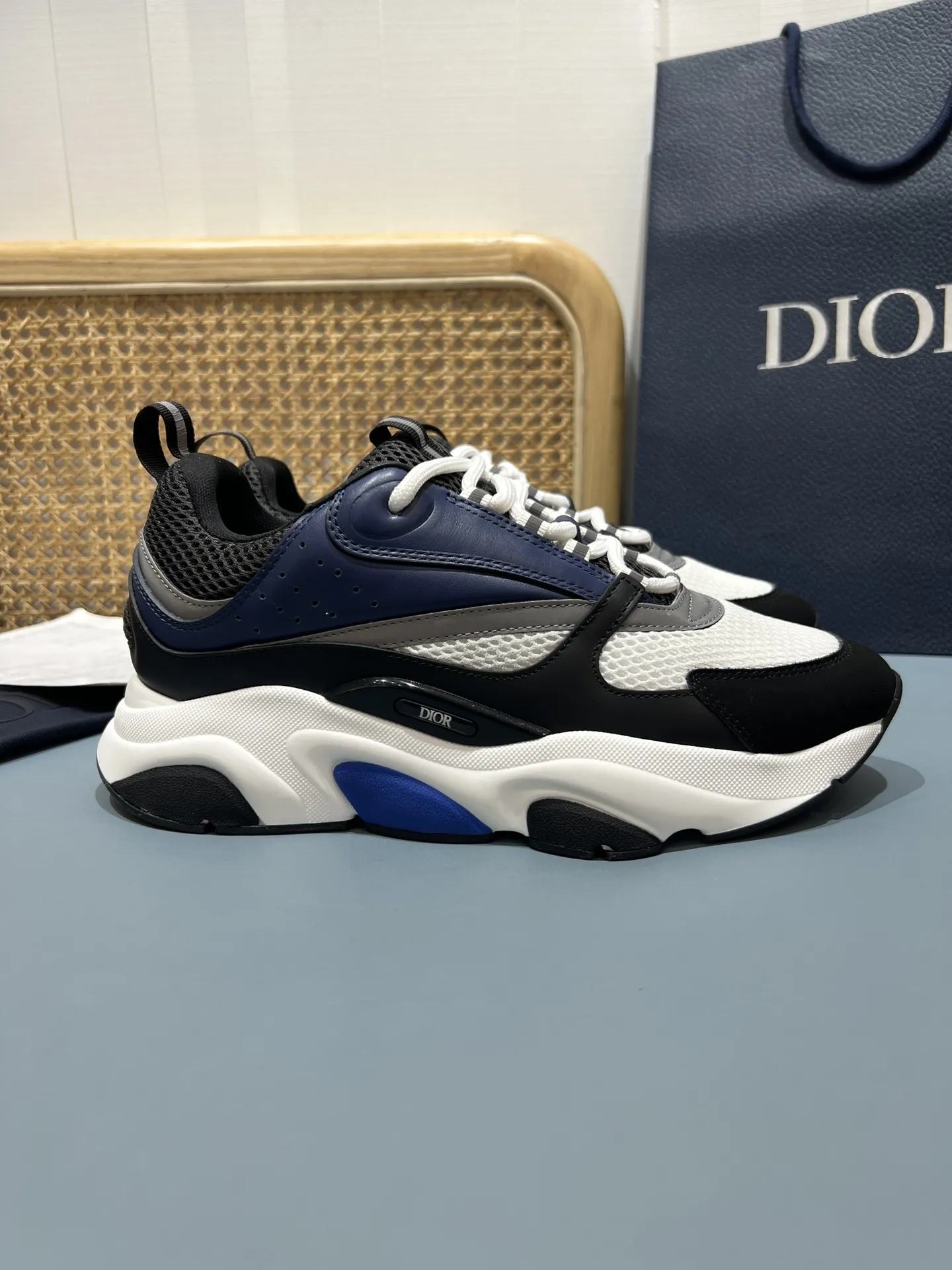
Dior Chunky Sneaker Navy Blue Black White
Original price was: $450.00.$154.00Current price is: $154.00.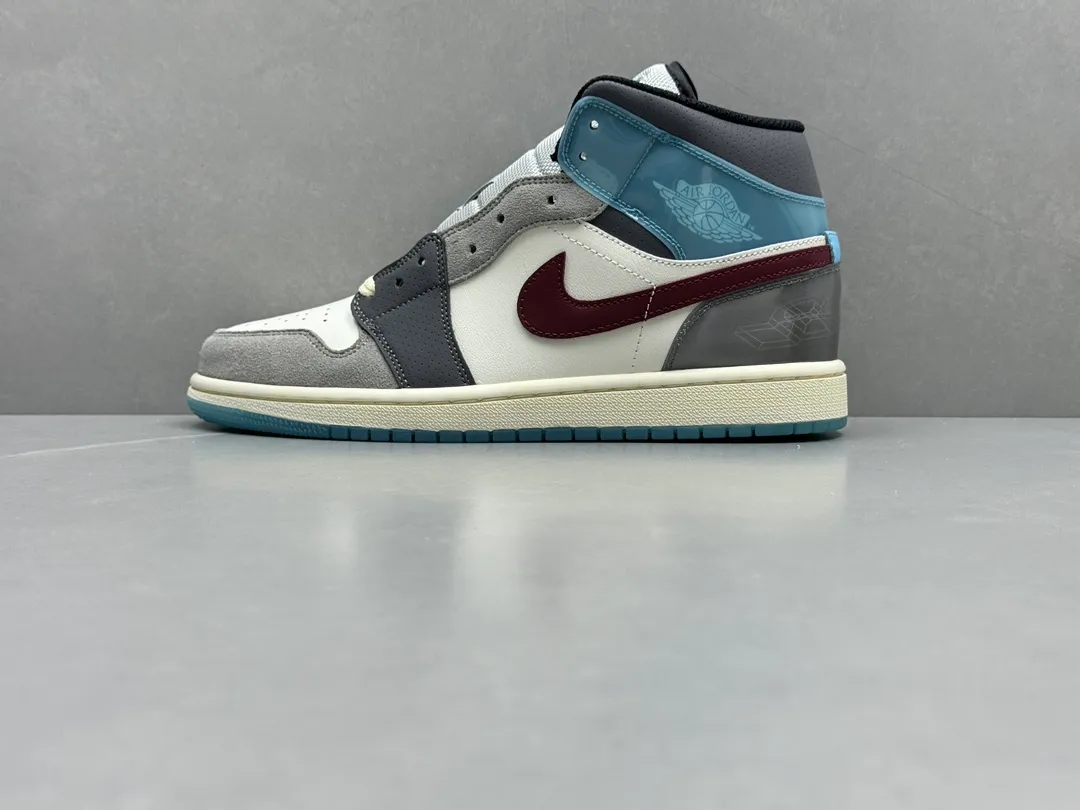
Jordan Air 1 High Top Sneakers White Grey Blue
Original price was: $325.00.$152.17Current price is: $152.17.
ASICS Magic Speed Running Shoes Neon Yellow
Original price was: $365.00.$65.00Current price is: $65.00.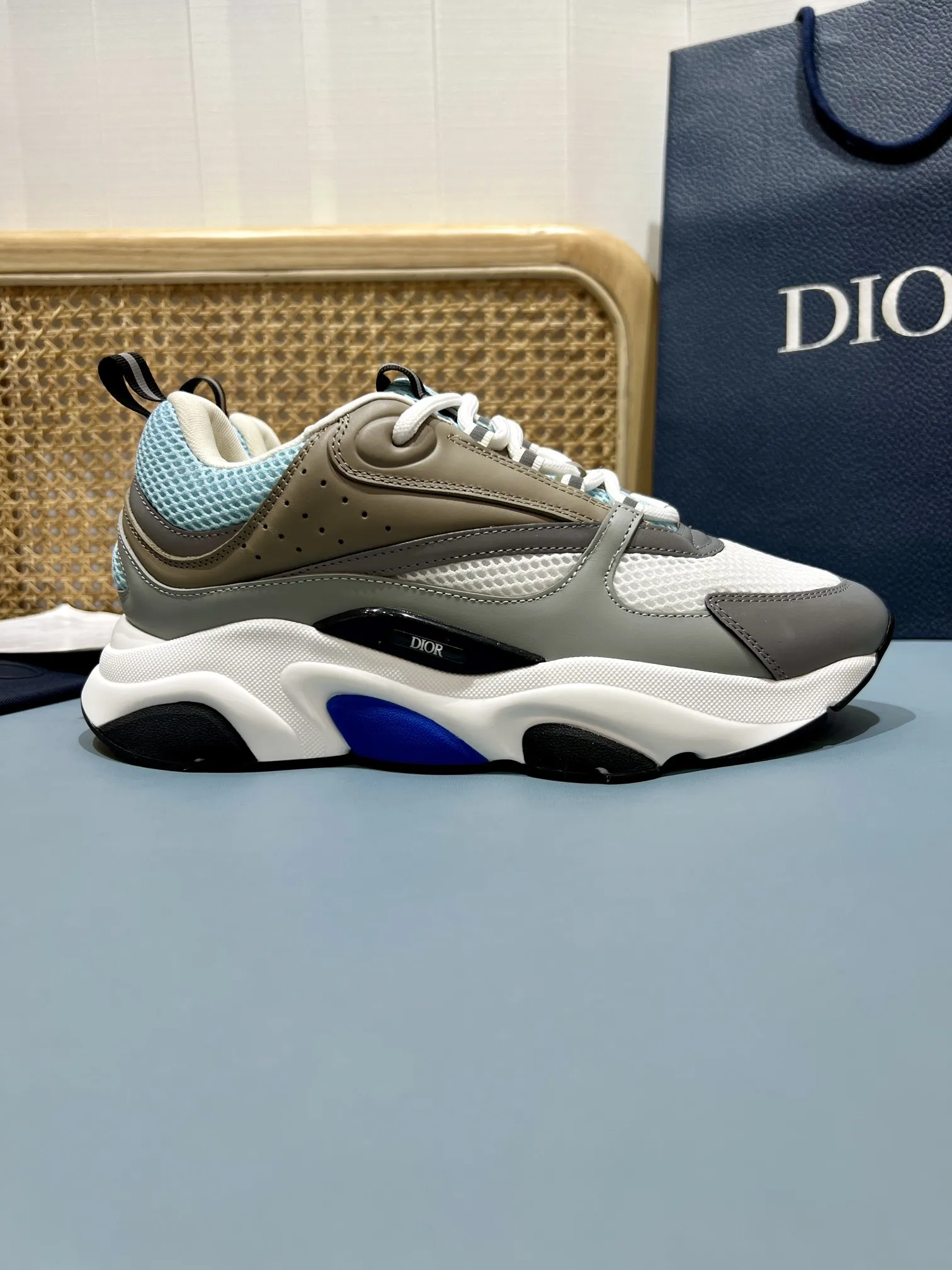
Dior Sneaker Grey Blue Mesh Chunky Sole
Original price was: $450.00.$154.00Current price is: $154.00.
Adidas Adilette Clogs Pink Blokecore Style – Inspired Replica Shoes
Original price was: $400.00.$55.00Current price is: $55.00.
Saucony Endorphin Pro 4 Orange Running Shoes – Replica Saucony Shoes Edition
Original price was: $365.00.$65.00Current price is: $65.00.About best fake shoe website 2015
**The 2015 High-Fake Sneaker Landscape: What Actually Worked (And What Didn’t)**
If you were hunting for the best fake shoe website in 2015, you weren’t just chasing a deal—you were navigating a minefield of overhyped factories, inconsistent batches, and outright scams. Back then, the rep sneaker game was still in its Wild West phase: some sellers delivered near-flawless pairs, while others shipped shoes that fell apart after three wears. The key to separating the wheat from the chaff? Understanding the material science, craftsmanship trade-offs, and the QC protocols that actually mattered. This isn’t a nostalgia trip—it’s a breakdown of what 2015’s top-tier rep factories got right, where they cut corners, and how Jordanreps’ QC process stood out even then.
**Leather & Material Specifications: Tumbled Leather, Suede Texture & Upper Quality**
In 2015, the best fake shoe websites didn’t just slap a "full-grain leather" label on a shoe and call it a day. The real players differentiated themselves by sourcing materials that aged realistically. For example, the LJR batch (Lian Ju Replicas) was notorious for using **tumbled leather**—a process where the hide is drum-rolled with abrasives to break in the material prematurely. This meant the creases formed faster than on a retail pair, but the trade-off was a leather that felt stiff and plasticky right out of the box. Meanwhile, the PK (Perfect Kicks) batch leaned into **nubuck** for its Air Jordan 1 Retro High OG releases, offering a softer, more breathable upper that mimicked the retail version’s break-in period. The suede, however, was where things got dicey: cheap rep suede had a **flat, lifeless nap** that didn’t respond to brushing, while the higher-end batches (like those from Jordanreps’ GX line) used **double-brushed suede** that actually moved when you ran a suede brush over it, replicating the natural wear of a retail shoe.
The midsole materials told another story. Retail Air Jordans used **Phylon foam** for lightweight cushioning, but many 2015 reps cut costs with **cheap EVA** that compressed within weeks. The top-tier sites, however, experimented with **polyurethane-based midsoles** that retained their shape longer, though they added weight. For the Air cushioning itself, the FK (Feng Kai) batch was the first to nail the **visually accurate but functionally inferior** air unit placement—it looked right in photos, but the actual cushioning felt like stepping on a flat tire compared to retail’s responsive Air-Sole.
**Craftsmanship & Stitching Breakdown: Toe Box, Swoosh Placement & Sole Bonding**
The difference between a "good" rep and a "great" one in 2015 came down to **attention to detail in the stitching and structural integrity**. Take the toe box: retail sneakers have a **gradual, organic curve** to the toe cap, while many reps in 2015 shipped with a **boxy, unnatural shape** that made the shoe look like it was stuffed with foam. The FK batch improved on this by using **pre-molded toe boxes** that mimicked the retail silhouette, though they still lacked the subtle flexibility of the original.
The Swoosh placement was another battleground. High-end rep sites like Jordanreps used **laser-guided templates** to ensure the logo sat within 1mm of the retail standard. Cheaper factories, however, relied on **hand-stamped Swooshes** that were either too high, too low, or crooked—often by as much as 3-4mm. The stitching density was another giveaway: retail pairs used **double-stitching** on high-stress areas (like the toe box and heel counter), while many 2015 reps skimped with **single-thread stitching** that unraveled after a few wears.
Sole bonding was where the biggest failures occurred. The **adhesive used in 2015 reps** was often a cheap, water-soluble glue that failed under heat or moisture. The top sites, however, switched to **industrial-grade polyurethane adhesives** that required a **heat-press curing process**—this made the sole nearly impossible to peel off, even after weeks of wear. The rubber compound itself was another story: retail Jordans used **carbon-black rubber** for durability, but many reps in 2015 used **cheap synthetic rubber** that cracked or turned yellow within months. The FK batch was the first to introduce **vulcanized rubber soles** that aged more realistically, though they still lacked the retail’s subtle translucency.
**Sizing, Fit & Cushioning Performance: On-Foot Comfort, Insole Measurements & Sizing Advice**
Sizing in 2015 was a guessing game. Most rep sites **overstated their sizing charts**, claiming their shoes ran "true to size" when they actually ran **a half-size large**. For example, a size 10 retail Air Jordan 1 would fit like a 10.5 in many 2015 reps, leaving wearers with a **sloppy, roomy fit** that made the shoe look baggy. The FK batch was the first to adjust their sizing to **run true**, but even they had inconsistencies—some pairs fit like a glove, while others had a **noticeably narrow toe box** that pinched for wider feet.
The insole was another area of compromise. Retail Jordans used **memory foam insoles** that conformed to the foot over time, but most 2015 reps shipped with **flat, generic EVA insoles** that provided zero arch support. The FK batch experimented with **gel-infused insoles**, but they were often too thin to make a difference. Cushioning was the biggest letdown: the **Phylon foam** in retail pairs was lightweight and responsive, but the EVA foam in most reps felt like stepping on a brick. The FK batch’s **polyurethane midsoles** were a step up, but they added unnecessary weight and lacked the retail’s springy feel.
For those with wider feet, the **toe box width** was a critical factor. Retail sneakers had a **gradual taper** from the midfoot to the toe, but many 2015 reps had a **sudden, unnatural bulge** that made the shoe look distorted. The FK batch improved on this with a **more organic toe shape**, but even they struggled to replicate the retail’s subtle flexibility.
**Jordanreps QC Protocol & Customs Guarantee**
While most 2015 rep sites relied on **blind trust**, Jordanreps operated with a **four-step QC process** that set them apart. The first step was **HD precision measurement**: every pair was scanned with calipers to ensure the length, width, and height matched the retail standard within **0.5mm tolerance**. The second step was **UV light inspection**—retail shoes often had hidden security tags or ink that fluoresced under UV, and Jordanreps replicated this with **subtle UV-reactive stitching** to deter counterfeit detectors.
The third step was the **sole bonding & stitching strength test**: each shoe was subjected to a **peel test** where a machine applied 20 psi of pressure to the sole. If the bond failed, the pair was rejected. The final step was the **box, laces, and tag accuracy check**—Jordanreps cross-referenced every detail against retail samples, from the **font on the tongue tag** to the **weave pattern on the shoelaces**.
For customs seizures, Jordanreps offered a **100% reshipment guarantee**—if your package was held by customs, they’d **immediately resend a new pair** at no extra cost. This wasn’t just a marketing gimmick; it was a **transparency-first policy** that few 2015 rep sites could match. Their return policy was equally straightforward: **30-day no-questions-asked returns** for sizing issues or defects, with no restocking fees. They didn’t promise "investment-grade" shoes or "future value retention"—they just delivered a product that **looked, felt, and performed** as close to retail as possible within the constraints of high-fake manufacturing.
**Care & Maintenance Guide: Keeping Your 2015 Reps Looking Fresh**
Even the best 2015 reps required maintenance to avoid looking like a "fake" after a few wears. For **tumbled leather** uppers, the key was **conditioning**: use a **leather balm** (like Bick 4) to restore moisture and prevent cracking. Avoid **silicone-based polishes**, which can make the leather look plasticky over time. For **nubuck or suede**, brushing was essential—use a **suede brush** to lift the nap and restore texture, but avoid **steam cleaning**, which can flatten the fibers permanently.
The **midsole cleaning** was another critical step. Retail Phylon foam could handle mild soap and water, but most 2015 rep foams were **porous and absorbent**. Use a **damp cloth with a drop of dish soap** to wipe down the midsole, then dry it immediately with a towel. For the **rubber sole**, a **toothbrush dipped in baking soda paste** worked wonders for removing scuff marks without damaging the material.
Finally, **preventative care** was non-negotiable. Store your reps in a **cool, dry place** away from direct sunlight, and use a **shoe tree** to maintain shape. For **waterproofing**, a **fabric protector spray** (like Scotchgard) could help repel moisture, but avoid **heavy-duty waterproofing treatments**, which could discolor the leather or suede.
The 2015 rep market was a minefield of inconsistencies, but the sites that thrived were the ones that **prioritized material science, craftsmanship, and transparency**. Jordanreps’ QC process wasn’t just about catching defects—it was about **replicating the retail experience as closely as possible** within the constraints of high-fake manufacturing. If you were shopping for the best fake shoe website in 2015, the answer wasn’t just about price or hype—it was about **who could deliver a shoe that held up under scrutiny**. And for those who knew where to look, the results were undeniable.